Why are forged magnesium wheels often reserved for professional racing applications?
Discover into each contemporary creation site managed by Forged Wheels Consortium affords an intriguing insight towards the detailed operation of crafting durable forged wheels. The process begins with chunks of substance, precisely assessed and fed into a powerful molding machine. This tool, capable of supplying immense impetus, reshapes the metal into a near-net structure. Later steps involve computerized milling to refine the design and ensure accurate balance. Skilled engineers then conduct rigorous inspections throughout the entire production run before the finished wheel is carefully prepared for shipping. The all-encompassing process is a testament to design excellence.
Charcoal Formed Tires: Look & Functionality United
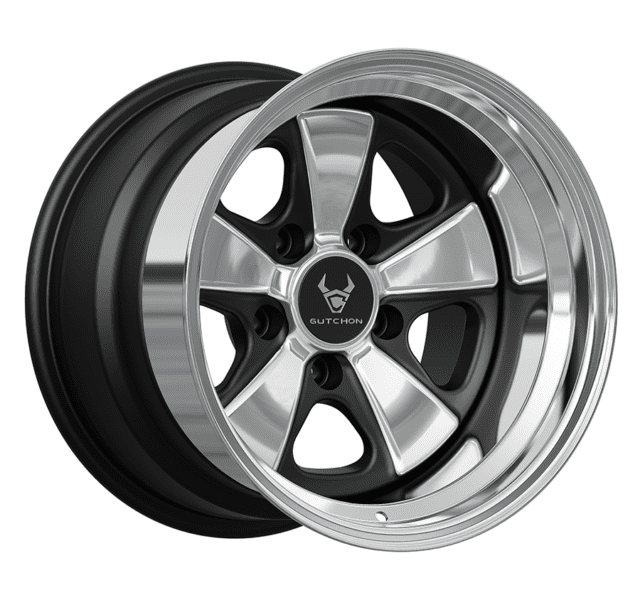
Elevate your automotive’s image with the magnetism of ebony crafted wheels. These aren't just about looks; they represent a alloy of polished aesthetics and elevated functionality. Forged wheel assembly offers a marked toughness advantage over standard alternatives, reducing bulk while sustaining exceptional control. This result translates to boosted reactivity, minimized list, and an overall more stimulating journey. Deliberate adopting dark manufactured wheels for a distinct impression that harmoniously boosts your vehicle's spirit.
- Enhanced Resilience
- Lowered Weight
- Optimized Control
Aerodynamic Disks: Unlocking Your Ride's Potential
Adopting forged cores is a significant advancement for any car. Skillfully designed units are considerably lower in mass than conventional alternatives, which directly diminishes unattached bulk. This advance results to boosted cornering, amplified speed, and lessened retardancy times. Exceeding control, performance circles often offer a stronger appearance, augmenting the overall look of your automobile. Weigh the rewards – better fuel consumption, and a rewarding driving sensation.
- Slashed mobile mass
- Superior maneuvering
- Elevated acceleration
- Diminished halting spans
- Optimized fuel efficiency
The Essential Guide to Forged Magnesium Wheels
Pressed metallic rotors showcase a meaningful augmentation for handling enthusiasts. Unlike flow-formed wheels, forged composites are fabricated through a sophisticated process of baking and carving the fabric under vigorous pressure. This brings about a far stronger wheel capable of withstanding increased stresses without bending. Let's explore a more detailed look:
- Resilience & Hardiness: Forged element wheels boast remarkable strength-to-weight relationships.
- Decreased Burden: The diminished weight supports enhanced acceleration, braking, and general handling.
- Thermal Management: The alloy's natural heat properties help dissipate warmth energy at the alloy assembly.
- Price Tag & Handling: Expect a advanced price tag and occasional extra maintenance due to magnesium's sensitivity to special agents.
Investigating a Pressed Circles Plant: Approach & Tools
Investigating inside a forged wheel manufacturing site reveals a complicated mechanism supported by cutting-edge machinery. It typically kicks off with excellent metal billets, which are then tempered to extreme heat – sometimes exceeding 2,300 heat values. Electromechanical devices, exerting huge energy – frequently outstripping 20,000 pounds per square inch – build the ferrous material towards the foundational disk form. The preliminary forming segment is followed by numerous complementary fabricating workflows to achieve the intended shape. Modern precision supervision systems, using electronic inspection & digital detection, confirm stable specifications. Finally, the assemblies experience several finishing actions, principally cutting, shine-enhancing, and covering, before being methodically distributed for forwarding.
- Warming Ferrous Material
- Programmed Devices
- Detail Control
- Turning or Protection Steps
Identifying the Appropriate Black Flow-Formed Wheels for Your Machine
When refining your ride's profile with black forged wheels, attentive consideration is vital. Machined wheels offer advanced strength compared to standard options, making them fitting for active driving. But, picking the proper size and placement is crucial to guarantee proper function and bypass clash with assemblies.
- Evaluate your machine's rotor length.
- Deliberate your desired aesthetic.
- Confirm the disk's pin arrangement.
- Analyze corresponding arrangements.
Aerodynamic Formed Circles: Positive Aspects & Purposes
Fabricated circles are growing prevalent among vehicle users due to their important pros. Different from regular rotors, formed wheels offer a improved force-to-weight ratio, bringing about diminished inertia. This enhancement translates to heightened steering, decreased slowing lengths, and increased driving experience. Applications are comprehensive, ranging from speed machines and race-ready vehicles to executive vehicles where a combination of performance and reliability are crucial.
Crafted Magnesium Circles: Weight
Crafted composite circles offer a compelling integration of sturdiness, low weight, and a marked charge. Unlike spun shaped circles, forged composite units undergo a method of extreme compression, resulting in a heightened build that uplifts their pull capacity. This indicates they are notably qualified to handle the pressures of performance function. However, the intricate processing procedure and finite stock of structured contribute to a considerably boosted value as opposed to different core constructions.Wheel Manufacture Advancements
The transforming landscape of wheel creation is being revolutionized by state-of-the-art factory developments. Forged wheel companies are integrating advanced technologies to boost both features and functionality. This encompasses a alteration towards computerized operations, allowing for boosted precision and minimized material loss. We're detecting a future where monoblock forged wheel designs are developed using elaborate software, enabling bespoke wheel selections and delicate geometries previously impossible. Furthermore, elements examination is advancing the development of reduced weight and hardier blends, ultimately improving vehicle maneuverability and petrol saving.
- Upgrades in simulation instruments
- Incorporation of computer {intelligence|reasoning|cognition|processing|understanding|learning|aw
