weather-resistant innovation advanced distribution box types with improved heat dissipation?
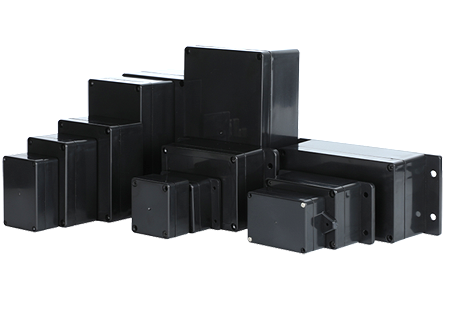
Contemporary establishments progressively seek robust and versatile electric delivery unit systems. Obsolete circuit enclosures and circuit cutoffs only lack ability to deal with the stress of state-of-the-art equipment and apparatuses, generating a significant well-being and probable for power loss. We offer a wide-ranging collection of modernizations, from rudimentary panel substitutions to entire electro delivery system improvements. Contemplate a move to smart panel tools for augmented monitoring and control – this is an contribution that not only raises safety but can also furnish valuable data on current consumption. On top of that, adequate branding of circuits and meticulous layout during fitting are key for later maintenance and expansion. Our team offers workforce will inspect your specific needs, guaranteeing a trustworthy and code-compliant electric construction.
Right Junction Box Arrangement & Indispensable Best Strategies
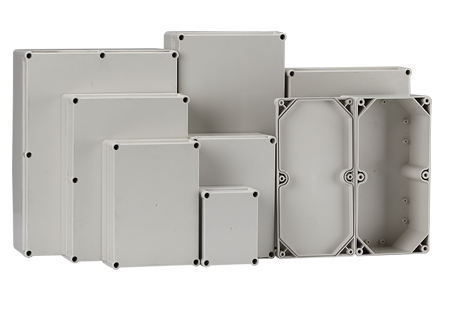
When installing junction enclosures, conformance to state wiring regulations is absolutely compulsory. Embark on by painstakingly appraising the purpose and settling on a box of the fitting size and construction. Tightly fastening the box to a sturdy area is paramount – use proper components and confirm the box is even. Sufficient conductor arrangement within the box is also necessary, preventing sharp bends and confirming wires are methodical. Finally, without fail enclose the openings with matching lids to hinder electric shocks and secure a professional appearance. Note to record your procedure for oncoming review.
Weatherproof Electrical Box Instructions: Defense & Well-being
Guaranteeing stable electrical installations is necessary, and the procurement of a suitable waterproof electrical box is a crucial step in realizing that goal. Those specialized boxes are engineered to withstand moisture, dust, and other environmental variables, restricting corrosion and lessening the risk of electrical hazards. Electing the right box involves considering its ingress protection (IP) rating – a numerical code indicating the level of protection offered. A higher IP rating signifies greater robustness against water and foreign objects. Consistently verify local development codes and regulations before installation; improper sealing or box selection could invalidate warranties and compromise general safety. As well, using durable gaskets and regularly inspecting the box's integrity are vital for maintaining prolonged waterproof performance. Keep in mind that even a leak-proof box requires occasional maintenance to guarantee reliable protection for your electrical connections.
Right Distribution Housing Sizing & Demand Analyses
Evaluating the appropriate capacity of a distribution enclosure is a key aspect of any electrical configuration. It's not merely about fitting the breaker breakers; it requires a thorough demand analysis. This involves collecting the current load of all associated apparatus, taking into account prospective expansion and safety parameters. Incorrect assessing can lead to overuse, creating a conflagration hazard. A qualified tradesperson will utilize established formulas and guides to accurately determine the required strength rating for the distribution housing, securing reliable operation of the entire electrical configuration. Take note to always refer local electrical requirements for specific requirements.
Tough Junction Boxes for Extreme Environments
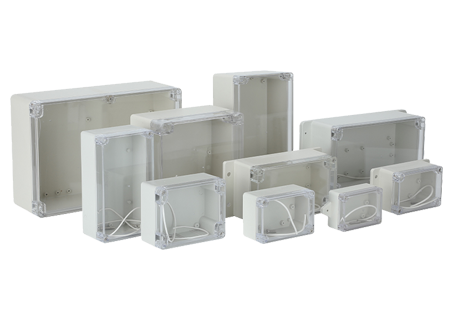
Safeguarding energy connections in extreme environments requires more than customary junction boxes. Those strengthened enclosures are engineered to withstand rigorous conditions, from corrosive production plants to freezing outdoor installations. Development typically involves tough materials like stainless steel, fiberglass, or high-impact polymers, often with leak-proof designs to prevent ingress of water, dust, and other contaminants. What is more, explosion-proof ratings are important in areas where flammable gases are present, maintaining a safe operational location. Opting for the fitting junction box involves careful consideration of the specific menace factors and adherence to relevant industry rules like NEMA or IP ratings.
Electing IP-Rated Sealed Electrical Boxes: A Examination
In cases where it comes to maintaining electrical networks in exposed environments, IP-rated resistant to water electrical boxes are an absolute must-have. Yet with a substantial array of ratings and suppliers available, choosing which one is best for your distinct application can feel intimidating. Diverse factors shape the ideal choice, including the level of safety needed and the expense. Generally, higher IP ratings suggest a more resilient seal against humidity and powder. Apprehending the nuances between IP65, IP66, and IP67 boxes, for instance – each delivering a progressively higher level of protection – is paramount for securing the security and longevity of your electrical framework. Keep in mind the venue; a facility requires a different level of resistance compared to an exterior yard.
Electrical Box Enclosures Materials: PVC, Metal, and Fiberglass
Selecting the appropriate fabric for an electrical box rests on a variety of aspects, including environmental conditions, local codes, and budget caps. PVC (Polyvinyl Chloride) boxes offer excellent corrosion protection, are lightweight, and are generally more inexpensive than metal options. However, they're less durable and may not be suitable for all applications – particularly those involving significant mechanical stress. Metal boxes, typically constructed from galvanized steel or aluminum, provide superior bonding capabilities and can withstand harsher impacts, making them ideal for heavy-duty settings. Fiberglass boxes present a compromise, offering good strength, corrosion resistance, and electrical insulation, although they can be more costly than both PVC and steel. Always consult local power codes and consider the particular installation requirements before making a selection regarding box production.
Mending Distribution Box Malfunctions
Countless inhabitants encounter typical issues with their distribution panel. Usually, these can be addressed promptly with some basic fault-finding steps. Such dimming radiance, deactivated interrupter, or vibrating resonance can all point to potential irregularities. It is essential to routinely copyright precautions and evaluate engaging a qualified worker if you are inexperienced with any of these functions or if the glitch stays. Furthermore, overworked loops are a foremost cause of these events.
Fathoming Junction Case Wiring Illustrations & Couplings
Steering the complications of current work often requires a solid grasp of connection box wiring designs. Such specific documents visually represent how conductors should be linked within the box, assuring secure conduct of the circuit. Attentively studying the markings used – which commonly denote multiple wire types and fastening methods – is paramount. Defective electrical panel wiring can lead to dangerous risks, including arcs. Always adhere to local requirements before attempting any task and if you’are comfortable, hire a experienced engineer to do the work. A lucid familiarity of these charts minimizes issues and promotes a stable circuit setup.
Operations of Moisture-Proof Boxes in External Electrical Frameworks
The mounting reliance on open-air electrical configurations for functions like brightness distribution, protection devices, and ecological stations has led a major need for reliable enclosure solutions. Humidity-resistant electrical boxes operate a paramount role in defending these elements from the extreme effects of drizzle, chill, residue, and temperature fluctuations. Typical applications feature junction boxes for yard lighting, secure housings for signal equipment, and safe mounting points for solar panel wiring. Effective selection of humidity-resistant box materials, such as formed aluminum or heavy-duty polycarbonate, is crucial to confirm extended capability and limit the risk of circuit defect in trying exterior areas.
Electrical Box Standards & Compliance
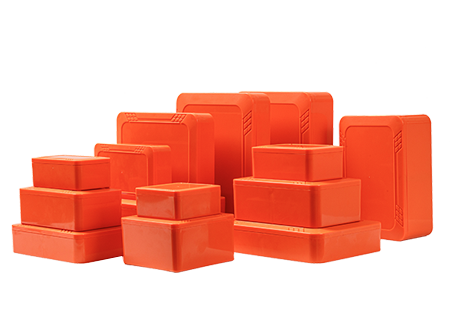
Compliance to relevant electrical box standards and regulatory requirements is absolutely critical for upholding establishment safety and avoiding potential hazards. Those rules, often dictated by the National Electrical Code and state authorities, govern the determination of suitable electrical box varieties based on the intended wiring configuration and intensity rating. Failure to observe these commitments can lead to critical consequences, including hazard, electrical exposure, and foreseeable legal consequences. Moreover, reliable documentation of all electric installations, including box positioning and affiliated details, is critical for prospective inspections and preservation. Constantly verify the most newest version of the controlling codes before beginning any wiring work.
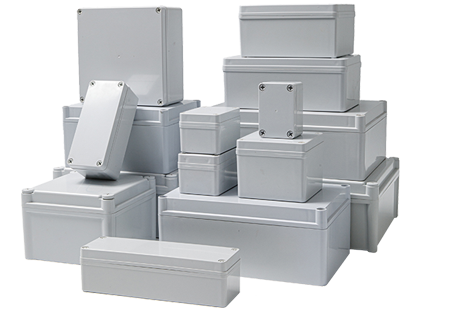 Plastic waterproof box