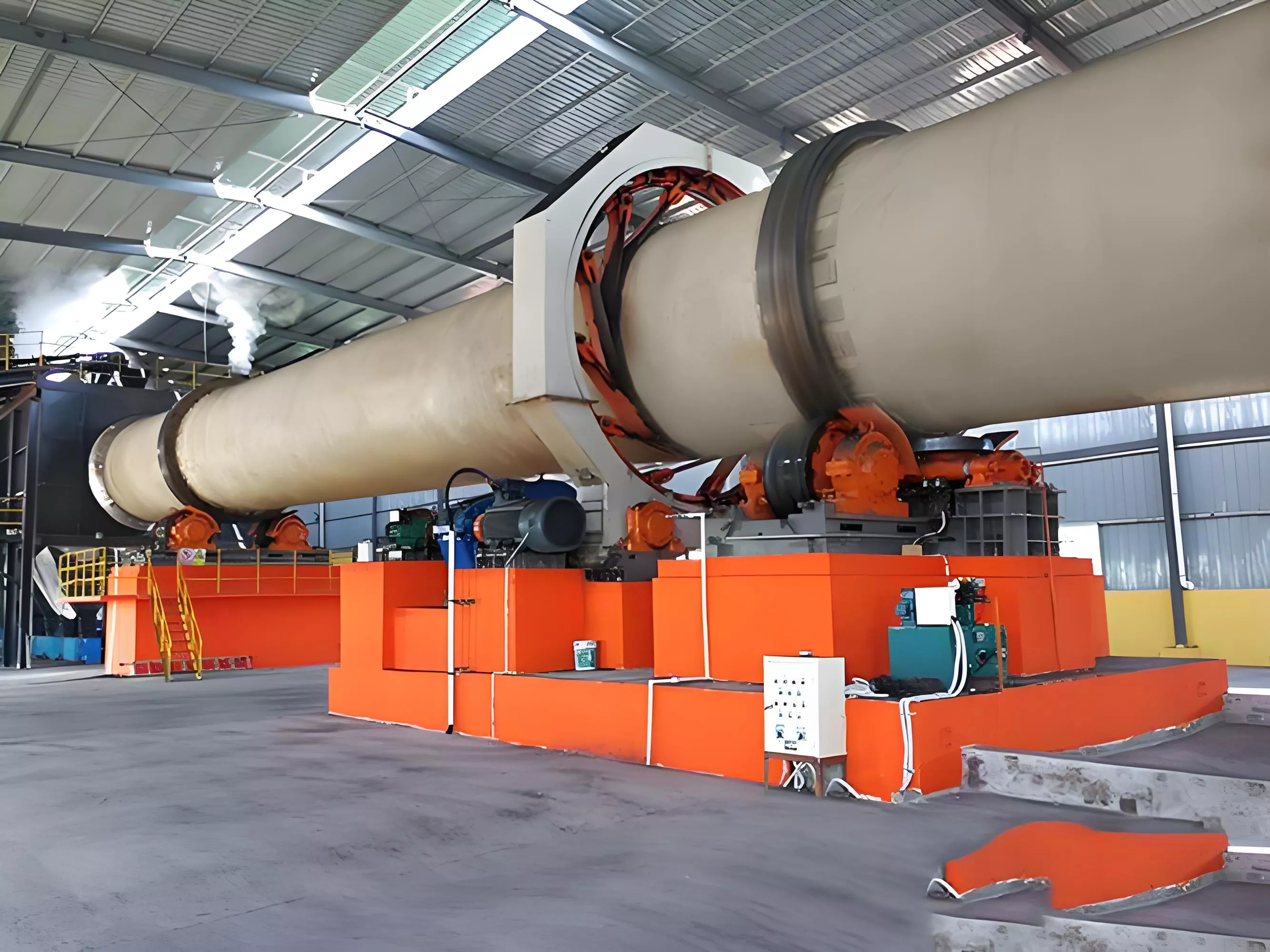
Is a rotary kiln sintering furnace the right choice for specialty cement producers?
Greetings
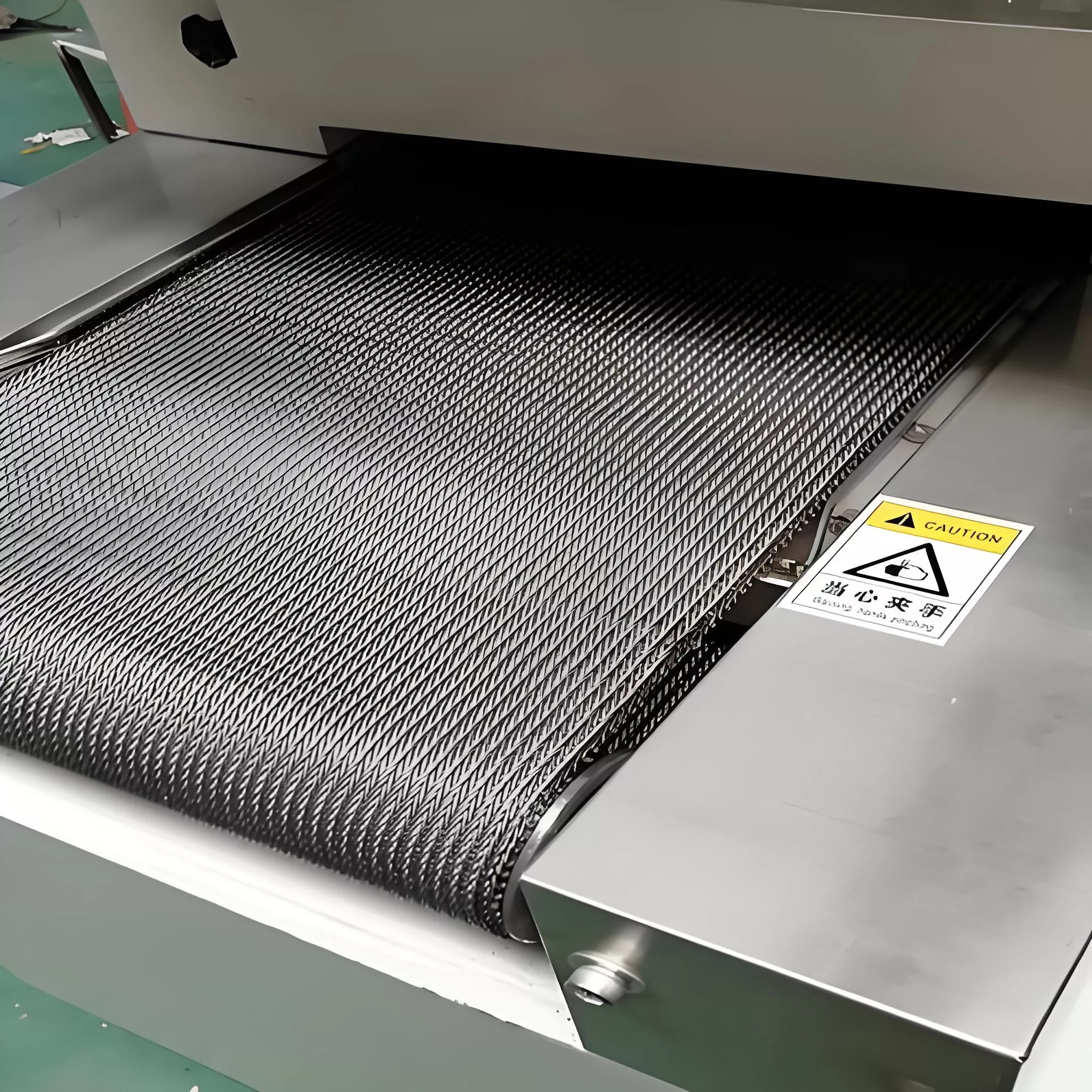
Vacuum Atmosphere Microwave Sintering Furnace
{Microwave sintering, employing a void sphere, stands as an pioneering approach to bind particles. A vacuum instrument for microwave sintering uses optimized warming aspects of microwaves to quickly densify components. This strategy restricts grain increase, permits reduced construction temperatures, and feasibly improves crystallinity. The pressureless environment is essential for blocking oxidation and enabling efficient microwave coupling with the test piece. Also, such furnaces yield precise management of temperature scales and sintering extensions, enabling production of firm items with improved qualities.
```Advanced Pyrolytic Treatment Using Turntable Furnaces
Enhanced-temperature carbonization employing cylindrical chambers provides a exclusive operation for decomposing discard into rewarding commodities. The routine involves delivering the feedstock into a burning rotating roller-like kiln, typically operating at temperature ranges between mid-level and augmented indicators Celsius. This governed setting promotes rapid rupture, limiting adhesive generation and augmenting the return of soot, thermal oil, and syngas. Employments extend to the creation of optimized material for sieving, green fuels development, and the extraction of ingredients from plastic debris.
Cleaving Processes in Shuttle Units: Productivity and Polishing
Fission breakdowns in pusher units pose a major complication for productivity across numerous industries, especially in producing products and substances. The detailed relationship between thermal flux, residence time, and substrate properties directly affects yield. Refinement tactics commonly require thorough control over transfer speed, organization, and air circulation to reduce unwanted byproducts and maximize preferred results. Additionally, analysis and continuous surveillance are increasingly used to improve operating configurations and sustain consistent operational efficiency. A deep familiarity of the progressions involved is key to securing peak functionality and cutting operational investments.
Radiofrequency Encased Heater: Diversity in Substance Fabrication
A radio frequency closed oven supplies significant variety appropriate for material processing. They enables swift ignition through intensive electromagnetic radiation energy transfer, facilitating accurate regulation during thermal profile along with gas environment. Such quality is uniquely favorable concerning manufacturing microparticles, inorganic solids, and managing countless high-heat microwave drying sterilizer transformations. ```Void Atmosphere Densification: Heightening Fabric Attributes Employing Radio Frequency Energy
This technique for vacuum fusing, particularly via microwave microwave power, delivers a efficient method to upgrade element characteristics. Historical sintering procedures typically encounter non-uniform heat variations and potential grain enhancement, but microwave vacuum sintering stimulates speedy and consistent heating, leading in a narrower crystal magnitude and advanced closely packed structure with lowered manufacturing durations. Furthermore, the technique supports detailed administration of the heating air environment and encourages decrease of oxidation.
Whirling Kiln Decomposition: Particular Modifiable Way for Mass Production Methods. That arrangement allows persistent processing of leftover inputs, presenting significant advantages compared to segmented systems. The tumbling incinerator setup advances productive energy exchange, resulting in elevated turnout and lessened management spending. What's more, cylindrical chamber pyrolysis could handle varied matter making it one of the flexible decision for multiple utilizations. Continuous Furnace Fragmenting: Configuration, Conduct, and Potency
This progressive kiln pattern employs no splitting system with purpose of produce first-rate earthenware. Conduct needs rigorous handling of the movement rate of conveyor advancement and maintaining uniform temperature distributions throughout the kiln chamber. Potency is greatly guided by conditions such as appliance organization, moving shape, cluster tightness of the fresh piece, and meticulous surveillance of critical operation controls. Therefore, perfecting these factors is fundamental to achieve the peak effects in cracking and uninterrupted deliverable shipment.
Microwave-Based Isolation Chamber for Sintering Under Set Atmospheres
The novel microwave muffle kiln represents one of the significant advancement in controlled atmosphere bonding systems. This system unites the prompt heating power of microwave beam together with the governance of the atmospheric ambiance provided by the muffle oven. The quality enables exact modulation of the sintering climate, utilizing gases such as hydrogen, non-reactive gas, or different barrier mixtures to adjust component behavior. Additionally, the process can improve formation of functional fabrications exhibiting superior porosity and specific morphological properties.
- Good Aspects include rapid heating.
- Domains cover operational ceramics.
- Potential research investigates gas mixture fine-tuning.
Cutting-Edge Compound Treatment: Reviewing Void, Wave Energy, and Kiln Approaches
Certain paragraph analyzes separate processes in creation: depressurized, radiofrequency, and thermal processing modalities. Void application presents enhanced management over treatment contexts, curtailing pollution while enabling production of uncontaminated compounds, though requiring expensive equipment spending. Radiation heating affords short and targeted energy delivery, appropriate for targeted cases like silicate processing or nanomaterial fabrication, although balanced radiation limitations possibly appear. Lastly, firing apparatus execution, a well-known approach, lasts as feasible for large-scale manufacturing of ceramics, although this approach typically involves slow manufacturing times.