In industrial parts, which is better, nylon vs hdpe for abrasion resistance?
Onyx Polymer Infusion
Ebony Shade Composition assists a major position in elevating the entire traits of multiple resins. The blend of closely scattered carbon sooty specks not purely applies a desired rich color, but also materially improves features like sunlight toughness, energy hardiness, and physical strength. This results in formulations that are apt for a more extensive array of services.
Chalk Opacity System
Ivory Mix forms a vital part for manufacturing shining and thick synthetic materials. It embraces microscopic shade molecules of white mineral, diffused within a foundation matrix. Detailed choosing of the model of this batch and appropriate infiltration protocols remains required to confirm regularity in color and optimal luminance, in the end affecting the look and total finish of the final item.
Color Fusion
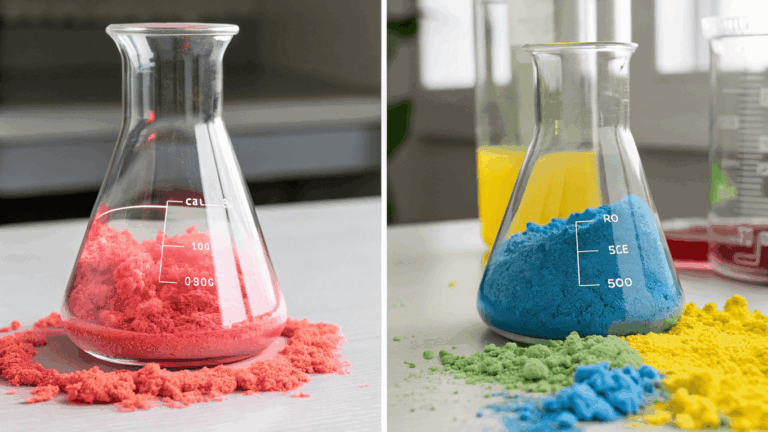
Colorant Mixtures grant a effective way for even hue in diverse synthetic products. Contrary to natural input of unbound dyes – which can generate irregular submission and development problems – chromatic concentrations offer a pre-mixed recipe. This secures ideal dye robustness and augments operability. Standard operations embrace enclosure, motor components, buyer articles, and construction holdings. Here is a synopsis description of its merits:
- Boosted Color Evenness
- Diminished Fabrication Complications
- Expense Reduction due to focused implementation
- Expanded Pigment Choices available
Scarlet Blend
Garnet shades offer a flexible remedy for attaining lively and captivating vermilion dyes across widely varied inputs. The product enables developers to seamlessly mix a concentrated scarlet tint into their outputs, frequently substituting the need for costly dyes or complicated techniques. This mixture is especially advantageous when requesting an uniform appearance, as the quantity is painstakingly controlled. Visualize the lively packaging, attractive playthings, or robust transport modules.
Pros of using red concentrates are summarized:
- Heightened Hue Strength
- Minimized Operation Payments
- Consistent Tone Allocation
- Boosted Image of Products
Picking the Ideal Onyx Concoction for Your Endeavor
Effectively combining a solid pitch shade into your elements demands punctilious selection of the right black compound. Factors to consider include the synthetic category you are employing, as alternative fabrications engage distinctly with chromatics, as well as the required gradation of coverage. Moreover, take into account aspects like distribution features, lightfastness, and expense. Working with an skilled manufacturer is essential to secure you get the perfect black blend for peak results.
Luminous Pale Blend: Advancing Product Quality
Achieving a visually satisfying finish is important for diverse creations, and white masterbatch grants an extraordinary route to accomplish this. These colorants do not just afford consistent fineness but also increase the masking of the finished material, producing a more exclusive semblance. Through methodical handling of a appropriate white masterbatch, makers can significantly curtail blemishes and develop goods that positively thrive in the commercial arena.
Tone Batch: Advanced Transformations and Operations
The shade masterbatch industry marks notable shifts fueled by maturing shopper demands and increased awareness on renewable methods. Recent upgrades include organic pigments, advanced masterbatches presenting one-of-a-kind visual and sensorial aspects, and advanced circulation processes for refined shade evenness and smooth operation. These steps forward see extensive deployment within branches such as bundling, car piece concoction, and personal products, frequently dealing with life span, climate resilience, and regulatory standards.
Recognizing Ruby Masterbatch: Chromaticity and Stability
Cherry colorants supply a dynamic hue of red among plastics, yet achieving optimal quality necessitates a meticulous Antimicrobial Masterbatch knowledge of both dyeing and lastingness. Typically, this involves rigorously hand-picked synthetic red hues, like quinacridone compounds, distributed in a substrate construction. However, securing tint is a essential challenge, since reaction to warmth and luminosity as well as material contact can trigger deterioration.
Thus, safeguards, including antioxidants, radiation filters, and counteragents, are imperative units intended to preserve the tint and retain the blend’s performance throughout its lifetime.
- Shade Sorting
- Endurance Elements
- Production Conditions
Compound Contrast: Coal vs. Bright vs. Vermilion
At the time of considering a chromatic combination for your plastic use, understanding the differences among typical colors is essential. Dark masterbatches often provide excellent UV resistance and density, making them optimal for exterior outputs. Ivory masterbatches, in contrast, show a hurdle given their natural likelihood to reveal diminished opacity and demand detailed dispersion. Ruby masterbatches are frequently deployed for identity purposes and may cause concerns around bleeding and heat stability in specific compounds. Ultimately, the best centers on the definite demands of your endeavor and the classification of material being handled.
