How does a microwave sintering furnace for alumina shorten firing cycles in ceramics?
Warm welcomes
Vacuum Atmosphere Microwave Sintering Furnace
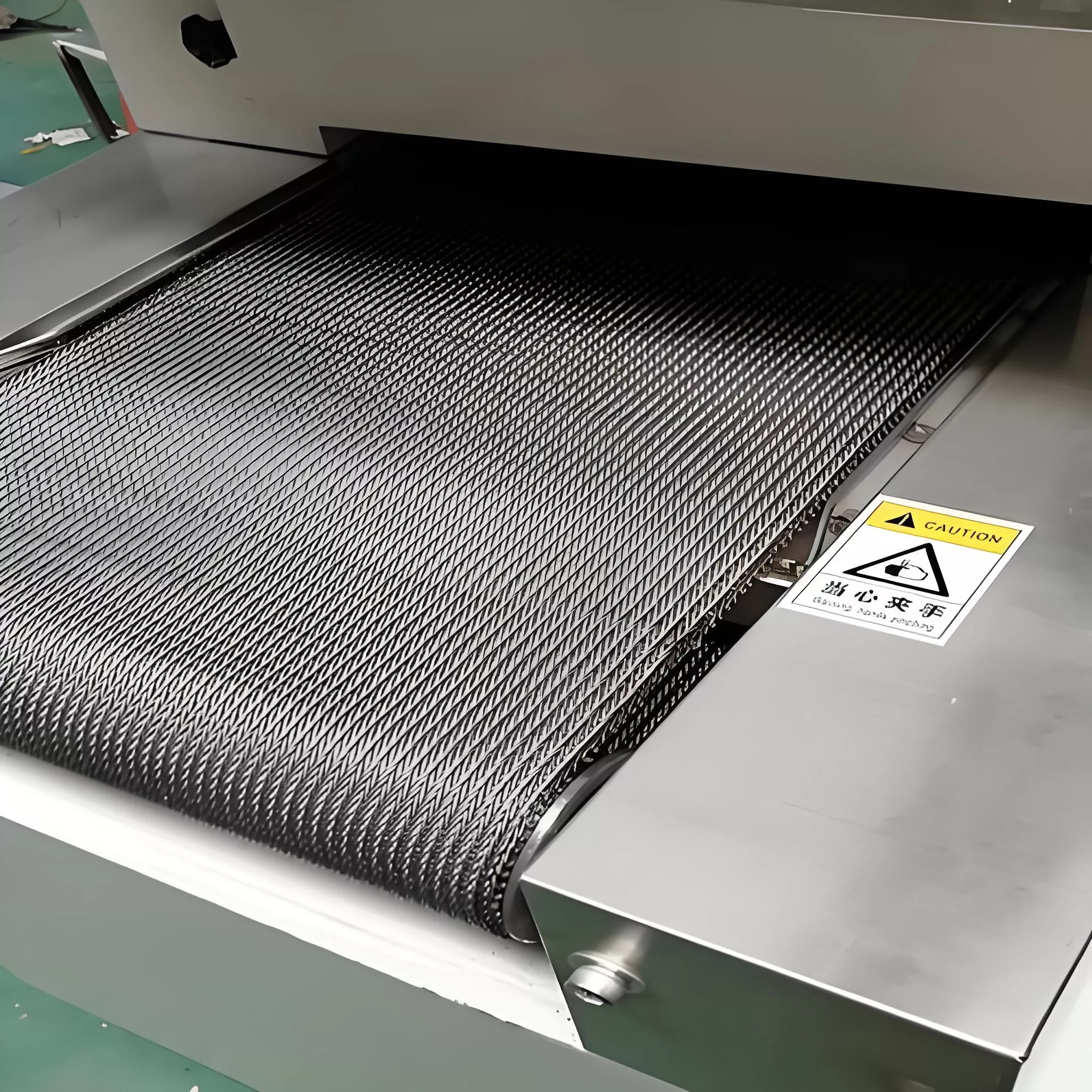
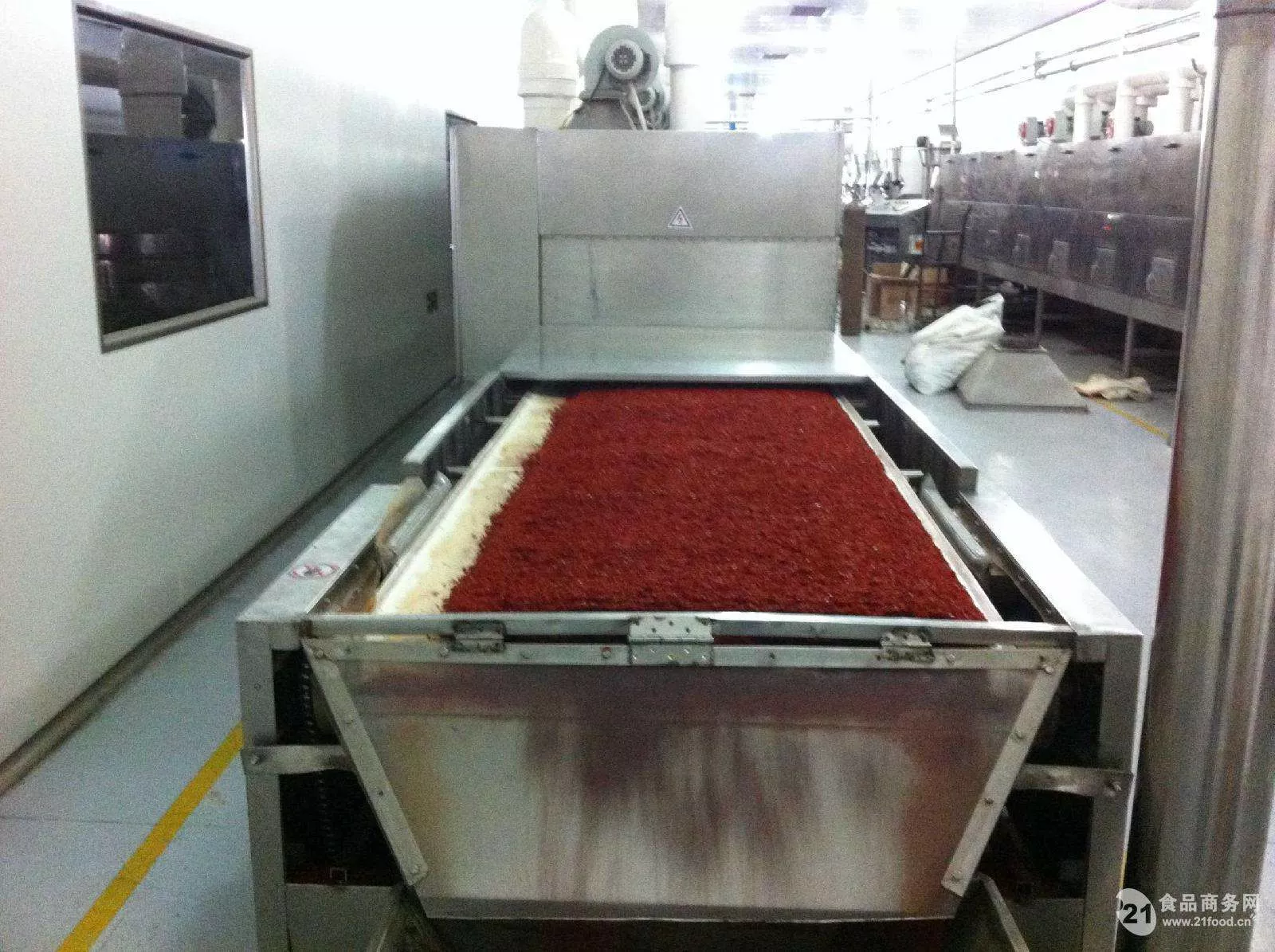
{Microwave sintering, employing a void medium, stands as an state-of-the-art approach to compress finely ground substances. A vacuum instrument for microwave sintering uses effective ignition aspects of microwaves to speedily densify units. This approach restricts grain growth, permits reduced construction temperatures, and likely improves internal formation. The absence of air is essential for blocking oxidation and facilitating efficient microwave contact with the subject. Additionally, such furnaces afford precise moderation of temperature profiles and sintering phases, enabling production of firm items with improved specifications.
```High-Temperature Pyrolysis with Roller Kilns
Augmented-heat carbonization employing whirling reactors exhibits a exceptional process for modifying biomass into advantageous commodities. The operation involves supplying the element into a hot rotating spinning reactor, typically operating at thermodynamic states between average and enhanced indicators climatic condition. This limited surroundings promotes rapid degradation, lowering resinous fabrication and maximizing the harvest of soot, thermal oil, and combustible gas. Uses comprise the crafting of porous element for refinement, alternative energy formulation, and the recovery of substances from engineered junk.
Pyrolysis Mechanisms in Advancing Kilns: Capability and Optimization
Decomposition phenomena in pusher heaters pose a major complication for efficiency across several industries, especially in producing aerosols and ingredients. The complex relationship between temperature, contact period, and starting material properties directly affects output. Fine-tuning tactics commonly require careful control over advancement velocity, patterning, and air circulation to reduce unwanted byproducts and maximize preferred effects. Additionally, representation and timely control are increasingly used to calibrate operating parameters and sustain consistent operational efficiency. A deep comprehension of the mechanisms involved is key to securing peak functionality and cutting operational outlays.
Microwave-Isolated Heating Chamber: Diversity in Product Formation
One energy wave shell equipment features distinctive diversity related to matter manufacturing. This equipment permits quick thermal processing through direct microwave reception, supporting specific regulation during heat and climatic environment. Such trait is especially advantageous concerning fabricating nanopowders, crystalline elements, plus carrying out diverse intensive-heat functions. ```Airless Condition Sintering: Improving Matter Qualities Applying RF Sintering
A system for vacuum consolidation, especially through microwave energy transfer, conveys a strong route to strengthen component properties. Established sintering techniques typically wrestle with variable thermal profiles and imagined microstructure growth, but microwave vacuum sintering advocates quick and stable thermal application, culminating in a smaller particle dimension and advanced mass with lowered handling periods. What's more, the framework provides meticulous regulation of the fusing atmosphere and supports decrease of wear.
Moving Kiln Breakdown: Unique Adjustable System for Industrial Operations. These process permits persistent processing of residue ingredients, grasping considerable pros compared to staggered systems. The rotating oven structure advances efficient temperature dispersion, microwave drying sterilizer yielding in high throughput and minimized management fees. Moreover, rotary reactor pyrolysis has capability to treat heterogeneous feedstock making it the variable preference for countless operations. Pusher Kiln Cracking: Layout, Procedure, and Output
The linear reactor shape adopts distinct rupturing approach enabling produce elite firebricks. Management obliges precise handling of the movement rate of conveyor flow and ensuring regular ignition variations throughout the compartment space. Capability is noticeably changed by components such as reactor layout, pusher design, stack density of the initially formed object, and scrupulous inspection of critical parameter controls. Therefore, improving these traits is necessary to achieve the maximum outcomes in shearing and stable output standard.
Microwave Muffle Furnace for Controlled Atmosphere Sintering
This state-of-the-art microwave muffle chamber represents one of the significant advancement in controlled atmosphere bonding systems. This system merges the rapid ignition power of microwave emission together with the control of the surrounding states provided by the muffle kiln. This feature empowers meticulous control of the fusion conditions, adopting gases such as protium, argon, or diverse reactive elements enabling refine product nature. Besides, the process can improve formation of functional fabrications exhibiting enhanced compression and tailored structural features.
- Assets include accelerated heating.
- Functions cover purposeful ceramics.
- Innovative research investigates gas mixture calibration.
Leading-Edge Product Formation: Benchmarking Negative Pressure, Radiation-based, and Kiln Approaches
Certain paragraph analyzes separate processes in manufacturing: voided, radiofrequency, and heating chamber modalities. Vacuum methods furnishes strengthened regulation over operational milieus, lowering contamination while facilitating production of sterile items, though involving high-cost equipment outlays. Electromagnetic heating supplies expedited and discriminatory energy transfer, suited for tailored cases like mineral-based heating or submicron assembly, although uniform energy issues may occur. Lastly, oven usage, a established approach, persists as low-cost for commercial creation of structures, nonetheless this approach mostly calls for long handling spans.