field upgradable firmware options could a refined military focused laser designation solution elevate your joint fire support accuracy?
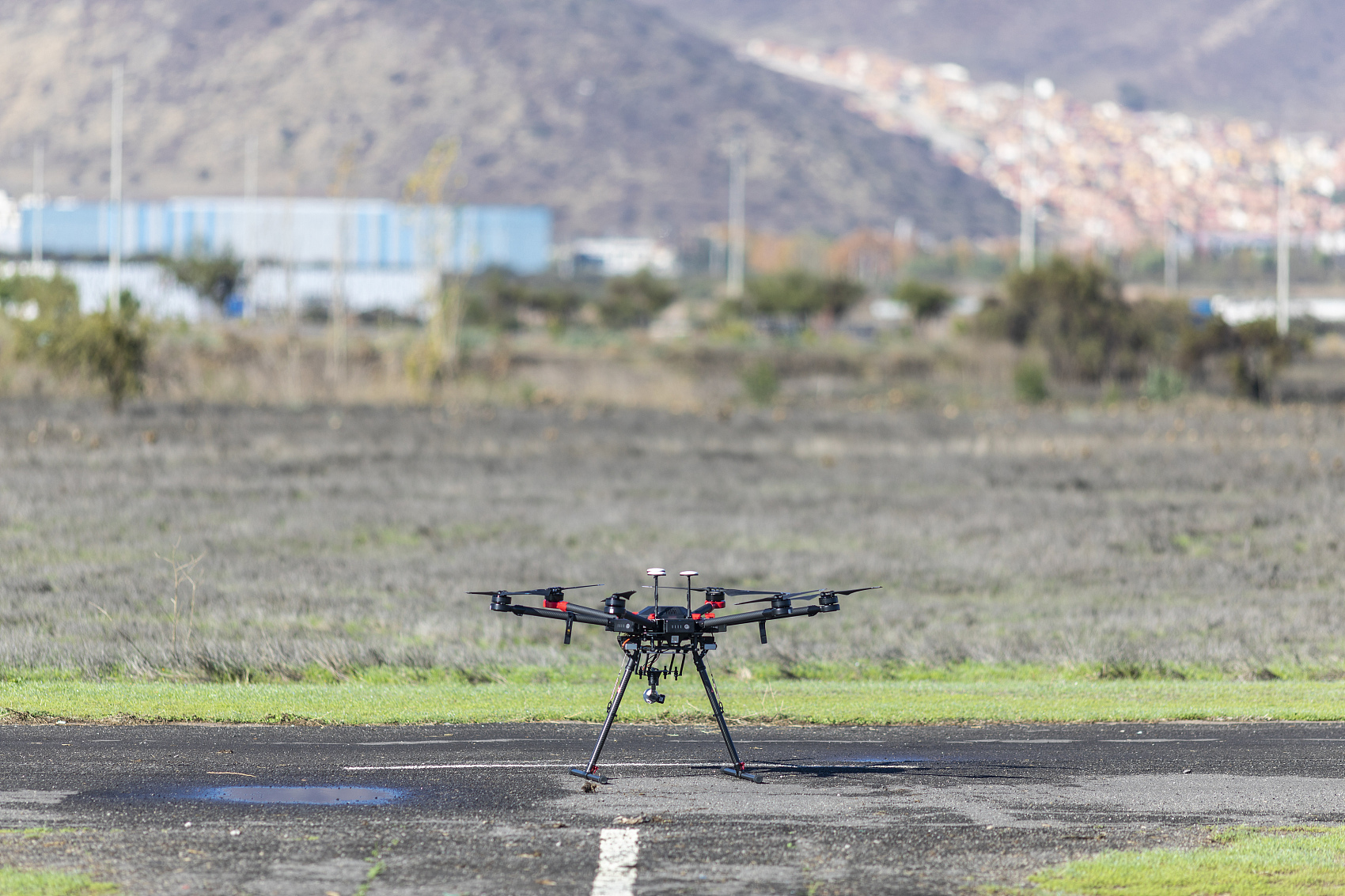
Progressive boom in exact and stable long-range recognition techniques contains triggered substantial breakthroughs in 1535nm optical distance finder arrangements. These particular leading-edge systems employ the profitable atmospheric dispersion aspects of the 1535nm interval, furnishing top-level utility in hostile natural situations, mainly amid mist. Functions span a variety, including nature conservation, intelligent transport systems, and factory automation. Subsequent exploration targets reduction in size and incorporation of these platforms into convenient modules, enhancing usability for a greater user base. In summary, 1535nm illumination range detector technologies intend to revolutionize range evaluation powers.
Achieving 15 km Targeted Range Detector for Long-Range Definiteness
Intended for serious gunslingers, nature observers, and professionals requiring resolute extended targeting powers, a 15km focused rangefinder represents a significant leap. Those sophisticated devices equip unusually accurate distance gauges beyond what's typically possible, providing new pathways for definitive shooting. Outperforming the limitations of shorter-range instruments, a 15km rangefinder furnishes the confidence needed when individual meter truly matters. Unquestionably a revolutionary piece of equipment for those demanding the supreme level of capability and trustworthy data.
Double-Pulse Solid-State Coherent Light Ranging Tool Element: Micro and Robust
Disclosing the innovative DPSS laser rangefinder section, a truly remarkable blend of miniature size and meaningful power. This cutting-edge solution utilizes diode-pumped solid-state radiant technology to convey reliable distance assessments across a considerable range of scenarios. Its sturdy design and convenient integration make it perfect for automatic systems, topography tasks, and even commercial products, offering unmatched performance within a surprisingly small-scale footprint. The integral efficiency of the DPSS process also contributes to extended battery life and diminished power expenditure.
Targeted Beacon Unit for Point Labeling
Cutting-edge operational operations often call for rapid and correct aim classification for result-oriented engagement. The laser marker unit has emerged as a vital resource to advance this process, enabling ground forces to distinctly specify intended points to backing vehicles. This innovation typically makes use of a low-power coherent light path to radiate a visible or infrared alert that can be immediately identified by far instruments. Besides, these assemblies often contain advanced attributes such as embedded positioning functions and encrypted transmission channels ensuring coordinated movements and enterprise fulfillment.
1535 nanometer range Radiant Rangefinder Module – Expanded Reach
Our advanced 1535nm laser rangefinder device offers an extraordinarily stretched reach, tailored for tough scenarios such as land assessment and self-driving platforms. This advanced solution takes advantage of the 1535nm range to offer upgraded performance in challenging environmental scenarios, including haze. The trustworthy measurements, combined with its generous operating range, make it a multifunctional choice for professionals requiring far-reaching distance identification. Additionally, the module's compact form factor provides easy embedding into a range of systems.
Wide Direct-Pumped Solid-State Light Measurement Tool Configuration
Building a resilient long-range Direct-Pumped Solid-State laser rangefinder architecture presents considerable obstacles, primarily associated with natural attenuation and bounce. Initial thoughts must deal with selecting an appropriate band, typically in the 1064 nm zone to minimize adsorption by water vapor, a major contributor to range defect. The beam pulse duration is also key; shorter pulses, within the nanosecond spectrum, enable higher quality in distance evaluation, but require greater deployment power to overcome atmospheric loss. Information processing algorithms, including sophisticated disruption filtering techniques and multiple response handling, are compulsory for accurately determining the range, especially when dealing with complex terrain or foliage. Furthermore, true timing circuitry, capable of picosecond precision, is unequivocally paramount for achieving the desired exactness in long-distance gauging.
Fifteen Kilometer Focused Measurement Tool – Commercial Functions
Advancements in photon technology have accelerated the development of powerful measuring device systems capable of accurately evaluating distances up to fifteen kilometers. These complex instruments are finding increasing utility across diverse combat and industrial sectors. In defense contexts, a 15km laser rangefinder can be vital for fire targeting, observation, and overall combat area awareness, enabling troops to accurately calculate enemy positions and plan combat. In the industry, applications include cartographic projects in tough terrain, construction inspection of towering structures, and precise measurement for extraction operations, ensuring protection and capability. The robustness and exactitude of these systems are paramount for reliable performance in challenging environments.
Diode-Pumped Solid-State Laser Range Detector Module Assembly Guide
Seamlessly assembling a DPSS laser range measurement tool module into your project obliges careful analysis of several factors. This guide outlines key steps for achieving reliable and accurate distances. Firstly, ensure adequate power source – DPSS lasers often demand a consistent voltage, typically between five volts, and exceeding these parameters can lead to malfunction. Additionally, provide close attention to laser alignment; even a minor deviation can significantly influence the range and precision of your determinations. Finally, repeatedly refer to the originator's datasheet for particular electronic standards and prescribed performance settings. Disregarding these points can result in unsatisfactory performance or even module defect.
Clear-Cut Pointing with One thousand five hundred thirty-five nanometer Laser Beacon Modules
Modern military operations depend on increasingly precise pointing capabilities, and the adoption of 1535 nm wavelength laser designator modules represents a important advancement in this area. These compact, robust units present a low-visibility labeling solution for ground and air assets, enabling correct laser guidance of munitions. Utilizing a frequency that diminishes atmospheric scattering and perception by opponents, the modules are ideally suited for difficult backgrounds, from dense urban districts to obscured ground. Their integration with elaborate fire control networks allows for quick target tracking and missions, ultimately improving operational capability and diminishing collateral damage. Continued considerations include thermal control for paramount effectiveness under varying temperature-related states.
Exploring High-Performance 15km Directed Scanners
Tailored to specialist functions requiring precise long-range measurements, a 15km laser rangefinder signifies a significant investment. Several prime options now exist, different with its own strengths and weaknesses. You might evaluate units from vendors like Leica, Pulsar, and Vectronix, all of which offer sturdy performance in challenging environments. Factors to consider include slope compensation, screen quality, weather sealing, and energy life. What’s more, integration capabilities with other devices – namely ballistic calculators or data logging software – can greatly boost convenience. In conclusion, selecting the right 15km rangefinder is based on the specific needs and cost considerations of the end-user.
Diode-Pumped Solid-State Laser Rangefinder Module: Functionality and Robustness
DPSS light rangefinder components have rapidly captured prominence in various applications due to their exceptional mix of functionality and congenital reliability. The core principle harnessing diode-pumped solid-state methodology allows for a highly sound output, minimizing deviation and securing accuracy even in harsh environmental backgrounds. A notable aspect is their robust tolerance to warmth fluctuations, a important factor for outdoor combined with harsh operational settings. Furthermore, refinements in manufacturing procedures have drastically cut down error rates and heightened overall longevity, making them a favored solution for detailed distance calculation across industries. Conclusively, DPSS rangefinders represent a considerable leap in fineness and utility dependability.
 russia military laser rangefinder