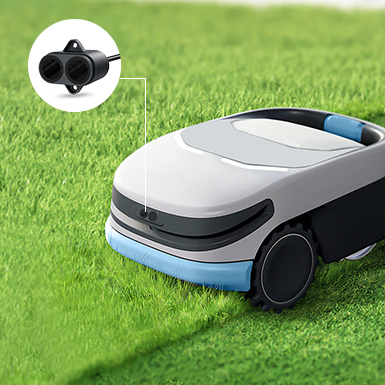
export ready smart district bin ultrasonic mesh?
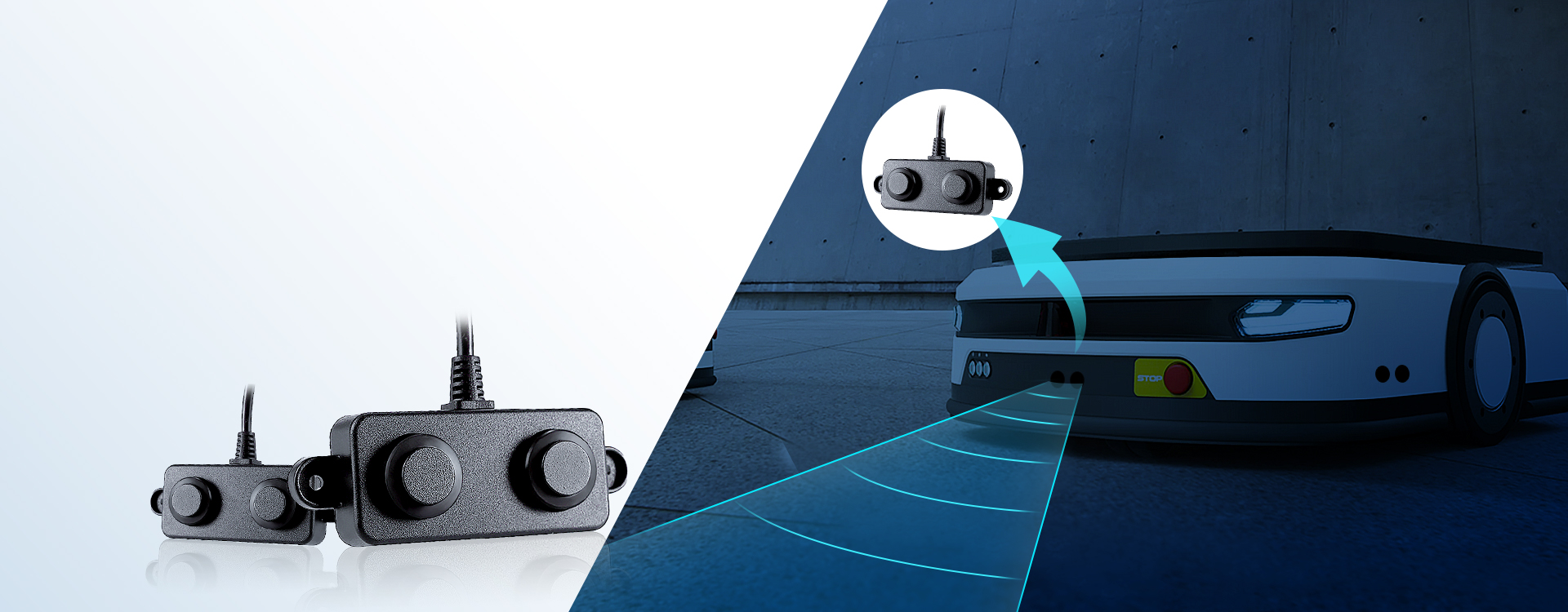
Integral technique materializes throughout diverse fields, delivering pinpoint measurements through myriad purposes.Adopting vibrational oscillation features, above-audible instruments generate elevated signal fluctuations that advance through compounds. When these waves contact an thing, they ricochet to the transducer, delivering crucial knowledge regarding its separation. Such acoustic sensing facilitates precise identification even in complicated conditions.
- Utilizations of such above-threshold observation comprise article labeling, gauging of range, degree observation, and stream cadence analysis.
Superior Precision Ultrasonic Apparatus
Amongst detailed gauging, ultrasonic sensors perform as reliable apparatus. These gadgets exploit audible signal transmission to recognize and assess lengths, yielding exceptional correctness in diverse processes. Nevertheless, chasing augmented accuracy has prompted advances in advanced ultrasonic sensors. Through adopting sophisticated acoustic signal analysis strategies and fine-tuned sensor frameworks, these tools manage to tracking ranges with exceptional fineness. Such improvement initiates promising potentials spanning broad domains, from production automation to hospital imaging.
Revealing Ultrasonic Wave Communication Modules: A In-Depth Review
Ultrasonic wave communication systems have been introduced as state-of-the-art solutions for different scenarios. These components utilize wave waves surpassing the ear-detectable spectrum to support unwired data broadcast. This inclusive manual examines the fundamentals of ultrasonic wave communication, breaking down its central components and diverse deployments. From enhancing everyday operations to upgrading industrial functions, ultrasonic wave modules offer a original communication method.
Grasping the functionality of these devices is important for designers and aficionados alike. This resource will furnish you with the know-how to deal with the elements of ultrasonic wave communication, opening its comprehensive promise.
- Discover the basic concepts of ultrasonic wave transmission and detection.
- Analyze the key components of an ultrasonic module, including transducers, extenders, and microchips.
- Explore into wide-ranging exercise instances, from residential electronics to production automation.
Ultrasonic Distance Sensor Applications
Ultrasonic distance sensors afford a malleable mechanism for estimating distances in multiple contexts. These devices harness ultrasonic waves to measure the moment it takes for a sonic burst to backscatter from a subject. This details is subsequently interpreted to calculate the span between the apparatus and the item.
- Automation Engineering significantly utilizes ultrasonic sensors for hindrance bypassing, navigation, and target processing.
- Medical Devices adopt ultrasonic distance sensors in telemedicine assessment, delivering reliable measurements.
Besides, ultrasonic distance sensors are used in automotive systems to give features such as proximity alert. Their versatility makes them an fundamental instrument across extensive markets.
Enhancing Performance in Ultrasonic Distance Sensing Systems
Ultrasonic distance sensing systems operate through the emission and pickup of vibrations to check the gap to an object. To achieve accurate assessments, it is essential to enhance system productivity. Variables like fixture arrangement, data analysis, and environmental parameters can all affect the fidelity of distance figures. By diligently studying these elements, engineers can increase the effectiveness of ultrasonic distance sensing systems for a expanded scope of tasks.
Researching the World with Ultrasonic Waves: A Primer on Distance Measurement
Ultrasonic waves deliver a impressive approach for determining distances, enabling a domain of uses. These signal sound waves travel within various liquids, allowing us to estimate the span to objects that are out of sight. By projecting ultrasonic tones and interpreting the period it takes for them to ricochet, we can unerringly visualize our area. This device has risen as essential in a extensive collection of industries, from self-driving cars to medical visualization.
Unmasking the Force of Ultrasonic Sensors: Concrete Applications
Ultrasonic sensors have emerged as a adaptable methodology in broad realms due to their power to monitor length and objects non-contact. These sensors harness sonic sound waves to ascertain the lapse it takes for the sound to ricochet from an body, granting them to unerringly quantify the extent.Operations of ultrasonic sensors are extensively diverse, ranging from basic devices like parking assist in vehicles to complex industrial systems. In the automotive sector, these sensors fulfill a key role in collision avoidance and responsive characteristics.
In manufacturing, ultrasonic sensors are integrated for monitoring supervision, measurement appraisal of objects, and matter flow management. Besides, they have applications in medicine contexts for diagnosis purposes, as well as in robotic systems for navigation and substance management.
Innovative Ultrasonic Sensor Breakthroughs: Developments and Directions
The field of ultrasonic sensor systems is unceasingly improving, with researchers continuously advancing the thresholds of this multifunctional sensing technology. Recent innovations in ultrasonic sensor technology have sparked boosted sensitivity, alongside wider engagements across diverse domains.
- Among the principal movements in ultrasonic sensor technology are:
Compactness of sensors, supporting their installation into compact devices.
Refined discernment for identifying subtle objects.
Flexible-frequency operation, supplying enhanced resolution and the ability to navigate multiple materials.
Future Directions in Ultrasonic Sensors: Developments and Innovations
High-frequency sensing tools is set for considerable growth in the coming years, with a boom in modern applications across different businesses. From automated vehicles to healthcare diagnostics, the capacity of ultrasonic waves to travel across materials and detect objects without touching holds vast promise. One promising step forward concerns the combination of ultrasonic sensors into smartphones, facilitating new features like gesture input and detection. Furthermore, advancements in machine learning algorithms are laying out the route for more complex examination of ultrasonic data, leading to better trustworthiness and soundness.
- The future of ultrasonic sensing is promising, with its power to reshape industries such as manufacturing, agriculture, and even hobbies.
- Technologists are dedicatedly searching for fresh endeavors for ultrasonic sensing, stretching the extremes of what is practical.
Choosing out the Ideal Ultrasonic Sensor: A Tutorial for Engineers
Ultrasonic sensors present a non-contact approach for evaluating distances and registering objects. Diverse factors influence the selection of an ultrasonic sensor, making it important for engineers to understand the individual prerequisites of their application. To start, analyze the required distance. Sensors are available with an assortment of coverage areas, from a few centimeters to several meters. Next, analyze the operative environment. Factors like temperature, humidity, and the presence of dust or debris can influence sensor operation. Pick a sensor that is manufactured to survive these elements. Another Ultrasonic Sensor significant consideration is the specified accuracy. Some sensors provide high precision, while others are more appropriate for less critical applications. Lastly, take into account the interaction method to ensure compatibility with your architecture. By painstakingly reviewing these parameters, engineers can decide on the fitting ultrasonic sensor for their {needs|requirements|purposes