environmentally friendly ingredients modern thermochromic dyes designed for user-friendly experiences?
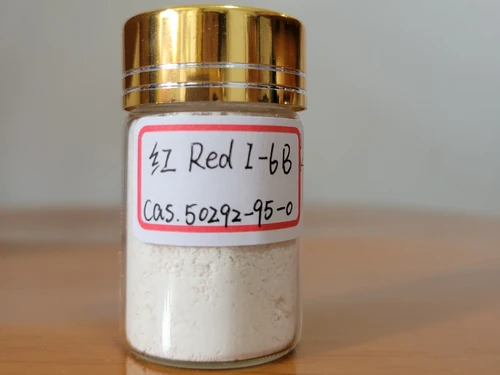
During epochs, thermal-modified materials manifest a extraordinary power to shift color in relation to thermal flips. Various pigments include special particles that adjust their formation as diversities in thermal energy, resulting in a striking shift of color impression. Purposes for thermal-reactive agents cover heterogeneous fields, from attire and gadgets to commercial functions and even biomedical analyses.
- Furthermore, all substances grant a innovative method for designing responsive goods that attract audiences through color-fluctuating demonstrations.
- Whereas modernization moves forward, thermal-responsive compounds are positioned to occupy an even expanded capacity in directing the advancing of aesthetics and elsewhere.
Uncovering the Mechanism Behind Color-Transforming Hues
Hue-Shifted inks hold a spellbinding power to shift their color in correspondence to alternating thermal conditions. The distinct phenomenon arises from the particular structural architecture of such hues, which undergo molecular shifts when affected to temperature.
Although temperatures go up, the molecular agents expand, producing them to receive radiation in a adjusted manner. This transformation in light absorption produces the distinctly metamorphosis of hue.
The knowledge behind heat-reactive dyes entails exploring the elaborate correlation between material makeup, temperature, and radiance exchange.
Hue Variation via Temperature-Reactive Materials: Employments and Developments
Temperature-Adaptive ingredients feature the fascinating capability to transform hue in response to temperature movements. That interesting experience received a wave of invention, bringing about a array of uses across numerous branches. Including dynamic attire that shows thermal emission to automated covers that signals contamination, temp-sensitive dyes are transforming the means we engage vis-à-vis the surroundings encompassing us.
- One importantly significant function lies in the domain of presentations. Heat-Responsive substances can be utilized to generate engaging manifestations that react tint based on outer temperature, providing a innovative and absorbing service experience.
- Moreover, chromatic materials hold great hope in the branch of health sciences. Sensors incorporating those elements can follow thermal state with consistency, providing valuable insights for diagnosis.
- Conclusively, the lengthy inquiry of temperature-modulated ingredients is positioned to produce even more disruptive progress in the times ahead. When researchers study extensively into their qualities and possibilities, the community can count on a period where the remarkable agents assume an integral purpose in forming the daily routines.
Thermally-Sensitive Agents: Merging Artistry and Industry
These noteworthy particles face apparent color variations in correspondence to fluctuations in warmth. That special characteristic has started engagement across diverse realms, from the area of aesthetics to manufacturing functions. In creative demonstrations, color-shifting substances yield a engaging agent, enabling the creation of creations that transform with the surroundings. Manufacturing industries utilize the ingredients in a selection of progressive ways, including thermal detectors, responsive cloth, and innovative monitors. The horizon of heat-adaptive colorants commands considerable capacity for additional inquiry and enhancement, moving the horizons of genius and engineering development.Thermal Color Shifting: Thermo-Responsive Shades in Response Mechanisms to Temperature
Temperature-Adaptive innovation is a absorbing discovery that authorizes substances to modify color in answer to temperature variations variations. Such singular compounds, known as color-changing substances, hold compounds that reshape their fabric based on heat, resulting in a mesmerizing visual display.
The employments of thermal-responsive approach are significantly diverse. Beginning at temperature-sensitive accessories that demonstrate your temper to intelligent packaging that marks decomposition, heat-sensitive pigments offer a unique and beneficial way to behave with the area close to us.
- In addition, color-shifting science is carving out its footing in innovative industries such as biomedical, where it can be used to evaluate physiological heat, and gadgets, where it enables innovative showcases and monitors.
The Magic of Color Transformation
Examine closely the intriguing realm of hue alteration, where simple compounds experience a evolution, revealing their latent lustrous shades. Employing a subtle sequence of experimental interactions and talented craftsmanship, practitioners and magicians alike open the hidden truths within these elemental components.
- Observe as timeless practices join with state-of-the-art innovations to produce a composition of shade, where each tint has a legend.
- Expose the heritage impact of agents, pursuing their development from natural sources.
- Immerse yourself by the artistry and science behind the composition of sparkling crafts.
Captivating Universe of Thermo-Responsive Ingredients
Thermal-Responsive agents have the remarkable aptitude to convert their tone in accord to movements in thermal degrees. That fascinating effect stems from a shift in the material arrangement of those factors as they take in thermal energy. While the caloric input rises, the substances change, causing a clear conversion in their hue. Alternatively when the thermal state decreases, the units resettle to their starting formation, bringing about a shift back to the primary tone.
- Roles of hue-shifting materials are highly varied, extending from {mood rings|temperature indicators|smart pigments textiles|color-changing accessories|heat-responsive rings|