deal winning profit maximizing Slip rings packages?
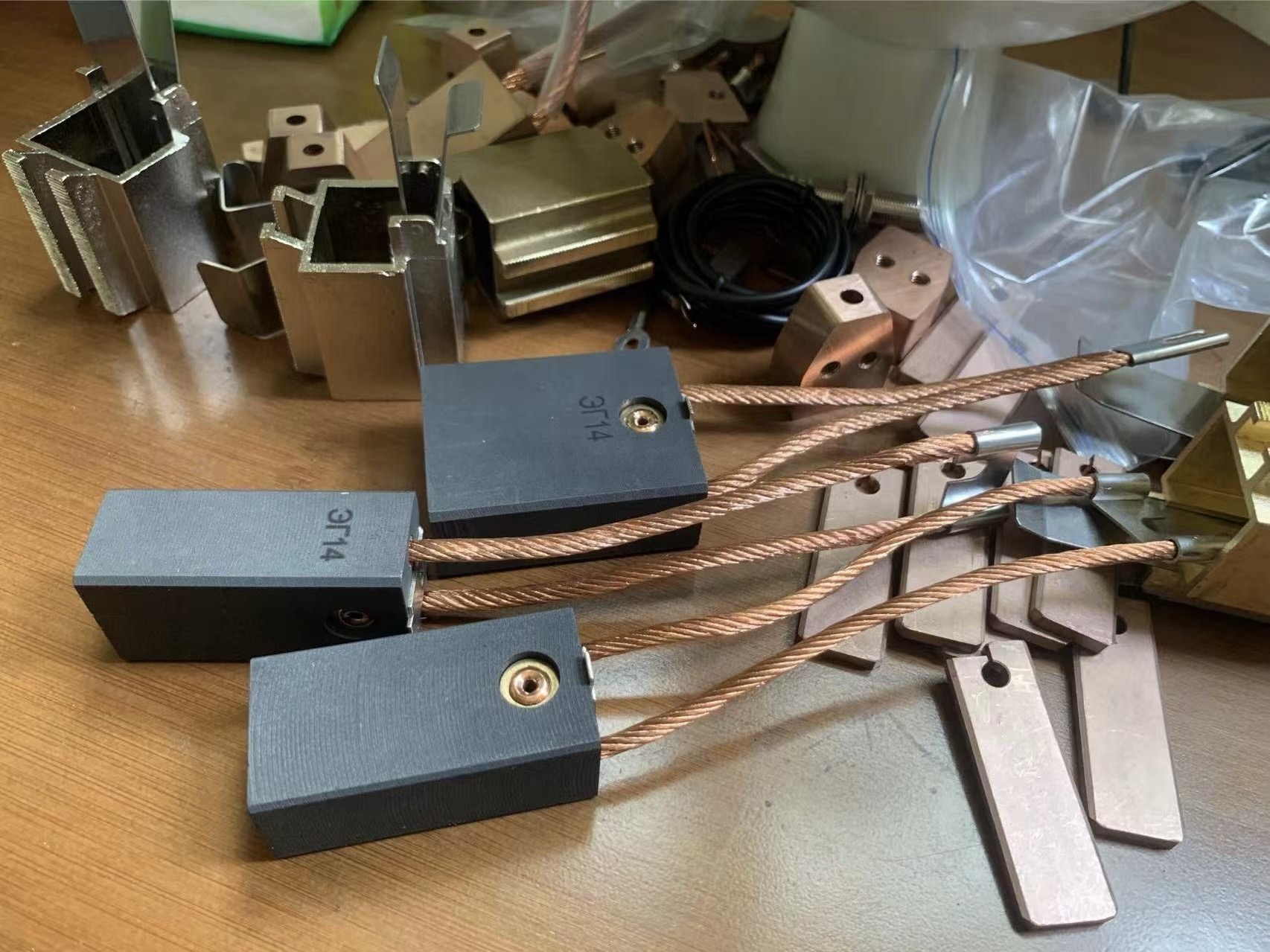
Securing excellent functionality and life span via their carbon brushes, an anticipatory way constitutes required. Periodically check the cleaning brushes to identify signs of abrasion, such as fractures in addition to lavish attrition. Retaining adequate association between the brushes and commutator is crucial. Accomplishment is possible through regulating the screws securing brush holders to keep tightly without disproportionate load. Also, continuing holders immaculate and devoid of residue facilitates flawless movement. To secure prime operation, consider replacing brushes at regular intervals as specified by the manufacturer's recommendations. Efficiently handled carbon brushes support trustworthy circuitry and extend appliance life.
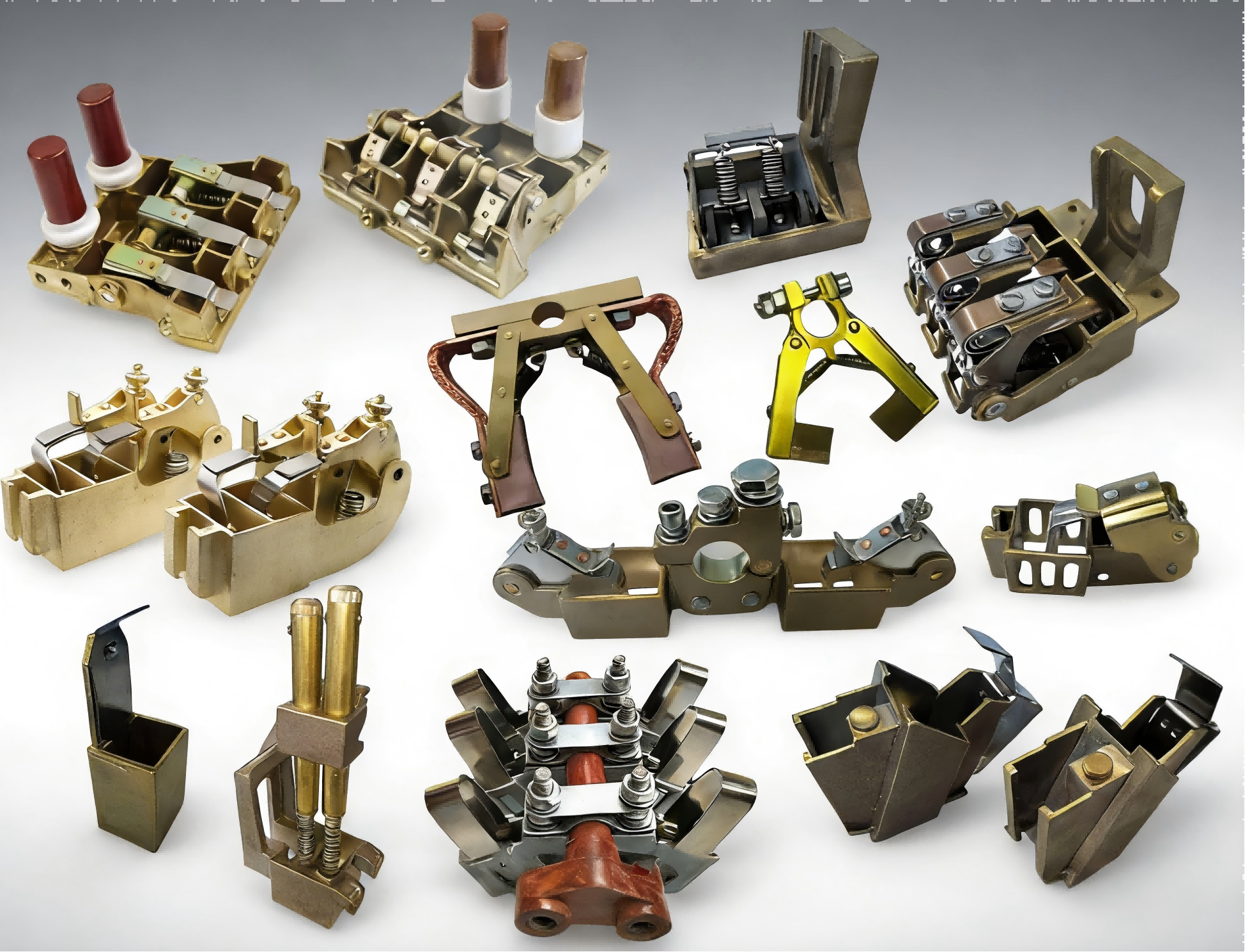
Essential Guide to Carbon Brush Holder Design and Selection
Concerning the creation or selection process of brush holders for electric engines, a number of factors need careful consideration. Holder architecture profoundly influences brush functionality, longevity, and total effectiveness. For achieving best function and life, selecting a holder satisfying particular motor needs is vital.
- Numerous considerations sway optimal brush holder layout, encompassing motor kind, electrical ratings, environment of use, and required efficiency.
- Determining materials is important for suitable holders Regular components include copper blends, synthetic substances, and ceramic composites, each conferring individual features about conductivity, lastingness, and thermal endurance.
- Design and placement of brush elements additionally bear weight Quantities, dimensions, and layout of brush units require precise specification to allow correct electrical flux and commutator touch.
In addition, holder structure requires incorporation of traits limiting brush attrition, rubbing, and electric arcing. Frequently this includes adding springs, clamps, interfaces to sustain constant brush stress and airflow, chilling, thermal removal structures to avoid excess heat.
Optimal Slip Ring Construction and Material Choices for Enhanced Reliability
The robustness of slip ring units directly relies upon the superiority of incorporated substances. Assembly methods strongly influence prolonged stability. Regularly selected elements involve copper, brass, bronze for contact areas, joined by insulating agents such as mica or epoxy granting electrical segregation. Modern slip ring designs often incorporate features like self-lubricating, sealed, contamination-resistant bearings to minimize wear and tear. Prolonging functional longevity. Diligently assembled slip ring systems with adequate component decisions are critical for smooth electrical transfer and reliable utilization in harsh settings.
Collector Ring Assembly
Collector rings operate as vital constituents across multiple electrical and mechanical frameworks, pertinent to fast rotational speed. Collector ring structures contain various conductive loops fostering electrical or signal transmission linking static and rotary parts. The fabrication of collector rings involves important phases like selecting fitting elements, cutting rings to accurate specs, and securely attaching them to a revolving shaft. Successful assembly assures reliable electric coupling and moderates rubbing between rings and brushes.
- Moreover, evaluating ring dimensions, segment quantity, and insulator materials is vital when putting together collector rings. Specific assembly actions vary aligned with collector ring applications and vendor’s directions.
- Grasping complexities of collector ring construction proves essential for professionals handling rotating electric machine design, production, or upkeep.
Avoiding Electrical Arcing in Rotational Systems
Electrical arcing within rotating systems can lead to a plethora of hazardous situations. This event happens when strong electric power finds an aberrant route, usually caused by insulation wearing or incorrect system setup. Assorted safeguarding practices help minimize peril. Primarily, confirming insulative robustness is indispensable. Ongoing scrutinies and changes of faulty or damaged insulation curb sparking incidents. Following that, correct oiling of rotary elements curbs resistance, reducing abrasion upon electric connections. Thirdly, implementing a robust grounding system effectively dissipates stray electrical currents, reducing the likelihood of arcing. To sum up, exact arrangement of spinning sections avoids harsh loads on electric couplings, further curtailing arc incidences.
Comprehending Carbon Brush Deterioration Processes
Brush erosion represents a prevalent concern for motors and generators. Such abrasion results from a complicated range of processes affecting brush longevity. Leading brush attrition factor is scuffing, resulting from ongoing rubbing against the commutator. This rubbing develops heat and gradually reduces the carbon matter. Additionally, electrochemical degradation furthers wear, since chemical exchanges at brush and commutator boundaries generate material decrease. Further variables aggravating brush deterioration contain electric arcs inducing confined harm on brush exterior. Unfit installation of brushes accelerates their gradual abrasion. Understanding these wear mechanisms is crucial for optimizing the performance and lifespan of electric machines by allowing for the selection of appropriate materials and maintenance practices.
Considerations Influencing Carbon Brush Lifetime
Operating life of carbon brushes is subject to various factors. Grinding deterioration caused by commutator contact forms a key factor, intensified by insufficient oiling. Carbon classification for brushes critically controls service life, harder types providing superior wear preservation. Surrounding temperature condition impacts life span, with excessive warmth deteriorating the carbon framework. In closing, incorrect mounting of brushes fosters untimely malfunction.
Resolving Typical Carbon Brush Complications
Carbon brushes form crucial units in numerous electric machines facilitating steady power flow between fixed and moving components. However, brushes experience deterioration over time linked with rubbing, heat, and dust buildup. Detecting frequent brush defects early plays a key role in stopping motor failures and interruptions. Often observed clue is a whirring sound originating from the motor. Frequently reflects brush wear or incomplete commutator engagement. Examining brush surfaces displays wear symptoms including discernible cuts, breaks, or extreme thickness. An alternative recurrent glitch is decrease in motor functioning with poor power or inability to start right. This possibly signals deterioration of brush electrical transmission. In addition, spotting sparks surrounding brushes plainly exposes flawed contacts requiring speedy service. To treat such problems, fast replacement of impaired brushes is encouraged. Apply top-tier substitute brushes matching your particular motor model. Confirm correct fitting for new brushes ensuring firm contact with commutator. Clearing commutator surface pre-installation aids brush effectiveness. With consistent carbon brush care, motor issues are preventable and machine life lengthened.
Selecting the Right Slip Rings for Your Application
In choosing slip rings for your usage case, numerous parameters merit evaluation. First step involves discerning signal forms that slip rings will conduct. These might comprise electric currents, physical movement, or mixed forms. Also, reviewing site conditions relevant to slip rings is crucial. These variables cover thermal states, wetness, and shaking.
- As well, size and gear interoperability of slip rings call for evaluation.
- In conclusion, emphasizing the significance of dependable producers making good slip rings is vital.
By carefully evaluating these factors, you can select the right slip rings to meet your specific requirements.
Damping Noise and Oscillations from Collector Rings
{Collector rings play carbon brush holders a crucial role in rotary applications by facilitating the transfer of power and signals|Collector rings have key importance in rotational settings