conversion minded Journal of Infrastructure professional outreach?
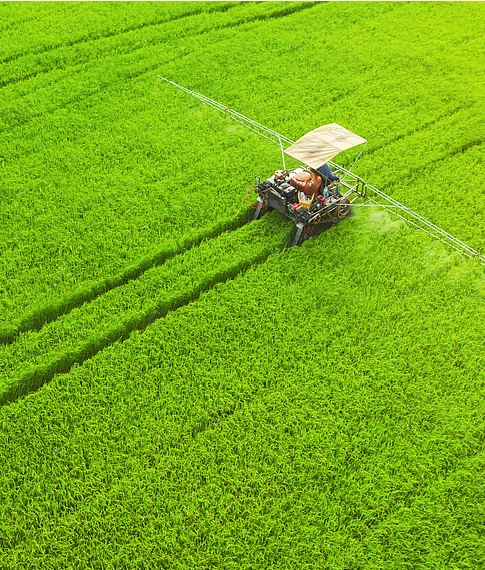
The fusion concerning Geospatial Data records,Innovative Visualization eXperiences, and advanced analytics is radically changing ways to handle cultivation durability.Historically, a complete perception of territorial deployment,material assignment, and environmental impact was often scattered and backward-looking.As of now, EIVX-powered solutions offer responsive,rapidly updated evaluation of crop health,hydrological stress, and likely dangers stemming from climate change. This empowers proactive methods for advancing resource usage,limiting green footprint, and ultimately, fostering a more strong and enduring farming domain.Furthermore, the interactive visualization component allows members – from horticulturists to regulators – to promptly engage with data and coordinate on approaches for a more productive planet.
生命的 Signs for Ecosystem Balance Evaluation via Ecological Informative Visual X
Developing methods in ecosystem soundness evaluation are increasingly contingent on sensitive physiological traits detected through modalities like Ecological Informative Visual X (EIVX). This influential method allows for the discovery of subtle physiological modifications in organisms, acting as early warning systems for poison exposure or habitat degradation. The utility of these tracers extends across various taxa, providing a more nuanced understanding of ecological fallouts than traditional monitoring strategies. EIVX, with its ability to represent complex biological data in intuitive formats, facilitates the analysis of these discoveries, improving our capacity to safeguard vulnerable ecosystems and societal well-being. Further inquiry focusing on standardized protocols for tracer selection and endorsement will be crucial for widespread institutionalization of this valuable tool.
Interpreting Public Welfare Implications of EIVX-Detected Disease Patterns
The swelling capability of EIVX instrument to identify and outline subtle shifts in disease occurrence presents profound repercussions for public safety infrastructure. Previously concealed disease sequences, often linked to surrounding factors or emerging pathogens, can now be highlighted, demanding a revision of existing response strategies. This necessitates a switch towards more precognitive surveillance systems, incorporating EIVX data to cause resource deployment and targeted public education campaigns. Ignoring these signals risks worsening inequalities in opportunity to care and potentially leading to selective outbreaks that could tax already vulnerable healthcare facilities. Furthermore, ethical matters surrounding data discretion and equitable access to EIVX-derived insights must be settled to ensure responsible and favorable implementation across all collectives.
Refining Clinical Diagnostics with EIVX Signal Analysis
The brisk evolution of personalized medicine demands pioneering diagnostic protocols, and Electrocardiographic Integrated Vector study (EIVX) signal processing is coming up as a capable apparatus to meet this task. EIVX signal decoding offers a characteristic perspective, enabling comprehensive characterization of cardiac behavior and beyond. Recent breakthroughs leverage sophisticated techniques to retrieve subtle signatures often ignored by conventional techniques. This aids early detection of manifold conditions, from myocardial disease to neuronal disorders, potentially advancing patient prognosis and ultimately lowering healthcare costs. The power for integrating EIVX signal evaluation into routine clinical operations is important, driving ongoing investigation and enhancement efforts.
Adopting EIVX for Refined Crop Yield Estimation
The incorporation of Earth Observation-based Vegetation Indices (EIVX) is evolving precision agriculture, particularly in the area of crop yield calculation. By evaluating remotely sensed data, such as NDVI, EVI, and other spectral measures, farmers and agronomists can collect valuable insights into crop health and probable productivity throughout the growing period. These measures are often linked with prior yield data,weather information, and terrain conditions, facilitating the creation of sophisticated predictive models. The result is a augmented capacity to fine-tune resource allocation, mitigate risks related to swings in yield, and ultimately boost overall planting profitability. What's more, these models can support informed decision-making regarding transplanting strategies, hydration scheduling, and fertilizer application.
Living-Surroundings Interactions: An EIVX Perspective
The burgeoning field of Environmental Interaction Vector eXploration (EIVX) offers a profoundly original lens through which to explore the intricate web of bio-environmental relationships. Rather than treating biotic and abiotic components as separate entities, EIVX emphasizes their dynamic, reciprocal interplay and the complex feedback loops that govern ecosystem performance. For instance, consider how subtle shifts in soil saturation, driven by climate change, can profoundly reshape the distribution and abundance of microbial communities, which in turn, significantly impacts nutrient recycling and plant growth. EIVX methodologies, incorporating innovative sensing technologies and Clinical Medicine Advances computational programs, aim to not only portray these interactions but also to calculate their responses to anthropogenic alterations, ultimately informing more environmentally sound environmental stewardship practices. This complete approach moves beyond simplistic cause-and-effect narratives, embracing the inherent complexity of life within its environment.EIVX-Enabled Early Detection of Emerging Infectious Diseases
The introduction of transformative Environmental Intelligence Virus eXchange (EIVX) systems presents a notable paradigm metamorphosis in our ability to uncover emerging infectious diseases before they escalate into all-encompassing pandemics. Traditionally, disease examination has relied on conventional reporting from healthcare establishments, often lagging significantly behind the initial development. EIVX, however, leverages a varied array of environmental data origins—including wastewater investigation, animal group health details, and even interactive media behavior—to forward-lookingly identify unusual markers that may reveal the presence of a new pathogen. This timely plan allows for instantaneous response measures, such as targeted assessment and public health measures, ultimately alleviating the potential impact of anticipated disease menaces. The integration of machine learning further improves the system's ability to separate genuine events from errors, making it a influential tool in stopping future global health catastrophes.
Advancing Patient Treatment: Environmental Imaging Vector X for Personalized Therapy Approaches
The increasing field of healthcare specialty is witnessing a significant progression thanks to the integration of EIVX – a advanced approach leveraging ample data analysis and high-level modeling. It technology gives clinicians to rise above the "one-size-fits-all" approach and build distinctly adaptive remedy options. By uniting case molecular information, customary factors, and immediate statistics, EIVX offers essential perspectives that promptly guide therapeutic opinions. Consequently, this heralds more beneficial returns and a major enhancement in patient stability.Agricultural Ecosystem Steadiness: Biological Surveillance with EIVX
Sustaining viable agricultural grounds in the face of increasingly unpredictable temperature conditions necessitates a shift towards proactive, data-driven management. Traditional inspection methods often fall short, lacking the responsiveness needed to detect subtle shifts in variety health. Enter EIVX, a revolutionary system utilizing remote sensing and advanced machine-based processing to facilitate real-time biological watching. By evaluating spectral patterns from vegetation and soil, EIVX can locate early indicators of stress, disease, or biotic degradation – allowing farmers and environmental managers to implement targeted interventions *before* significant losses occur. This adaptive approach fosters improved benefits, reduced reliance on impromptu management, and ultimately, enhances the overall sustainable resilience of our horticultural systems. Furthermore, EIVX enables rigorous spatial visualization of habitat conditions, guiding resource allocation and supporting enlightened decision-making for maximum ecosystem stewardship.
Decoding Public Safety Surveillance: Environmental Interactive Vector X and Environmental Risk Influences
Current advancements in public fitness surveillance are increasingly incorporating innovative tools like EIVX, which enables timely detection of incipient viral infections. This approach moves beyond traditional communication systems, allowing for a more proactive response to potential outbreaks. Critically, EIVX data is being integrated with assessments of contextual risk influencers, such as water quality, atmospheric state patterns, and territorial use. The mission is to detect areas and populations at heightened vulnerability, advancing targeted interventions and precautionary measures that consider the complex interplay between viral presence and the surrounding conditions. Furthermore, scholars are formulating sophisticated models to extrapolate outbreaks based on these unified datasets, manifesting a shift towards a more detailed and dynamic public health protection strategy.EIVX-Based Biomarker Uncovering in Clinical Syndrome
Fresh enhancements in extracellular vesicle (EV|exosome|vesicle|microparticle|nanovesicle|membrane-bound particle|liposome|microvesicle) isolation and characterization, particularly leveraging techniques like Isoform-Specific Vesicle Indexing (EIVX), are swiftly revolutionizing biomarker uncovering for understanding clinical progression. EIVX allows for a particular profiling of EV cargo, focusing on post-translational modifications of proteins that often demonstrate subtle shifts in cellular circumstance long before overt clinical symptoms appear. This capacity is particularly crucial in diseases where early intervention dramatically improves patient effects. Currently, evaluations are exploring EIVX-derived biomarkers for various malignancies, neurodegenerative ailments, and inflammatory mechanisms, aiming to develop robust and practically relevant signatures that can be used for diagnosis, prognosis, and monitoring clinical response. Further endorsement across diverse patient cohorts remains necessary to translate this optimistic technology into usual clinical approach.