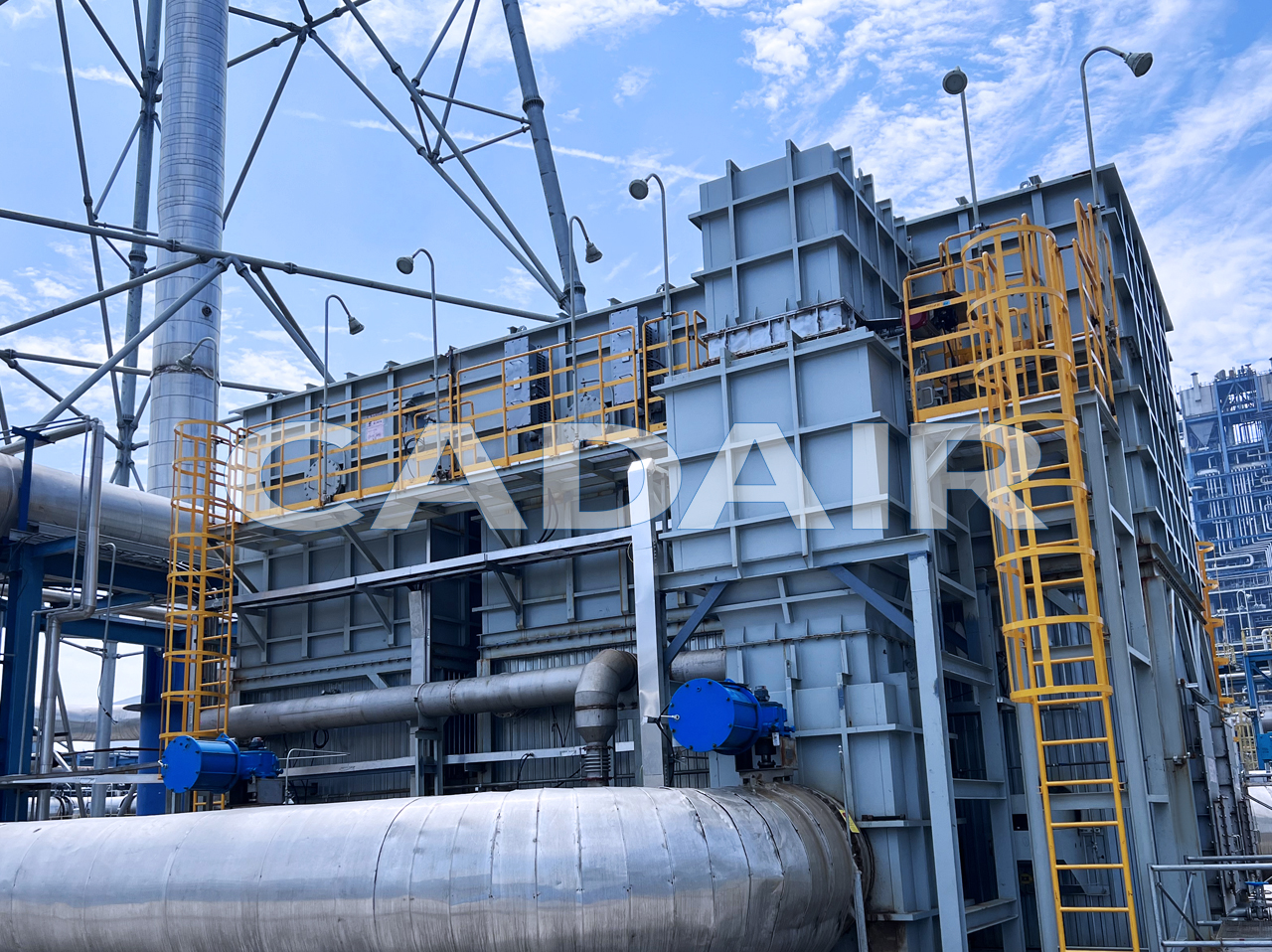
capital efficient business class regenerative thermal oxidation lines for plants?
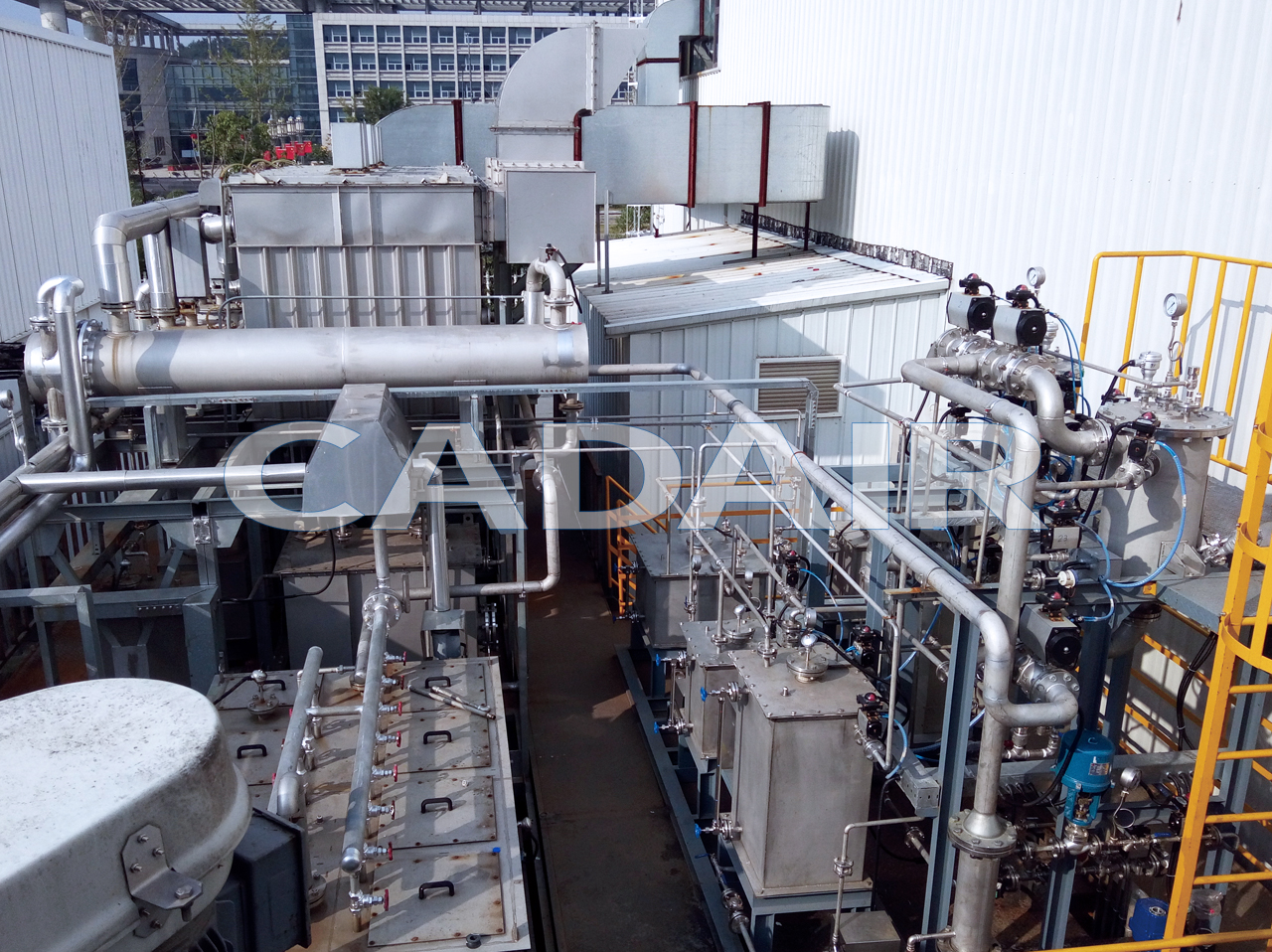
Commencing
VOCs impact air quality (Materials) affecting biotic and abiotic systems. Conventional cleaning techniques demand rigorous power application and give off questionable remains. Zeolite revolving units supply clean technologies, offering effective VOC adsorption inside ambient air. Such formations encompass large exposition and particular passages enabling effective VOC adsorption.
- Additionally, zeolite spinning devices regenerate, decreasing natural harm and outlays.
- Accordingly, zeolite cyclic instruments advance in widespread processing fields, including operational waste oversight, internal atmosphere conditioning, and water reclamation.
Integration of zeolite spinning devices represents a pivotal development in support of green VOC extraction, providing green and fiscal advantages.
Regenerative Heating Oxidizers: Effective Air Processing
Regenerative combustion oxidizers furnish modern atmospheric treatments. These installations utilize burn and heating processes of contaminated gases at augmented heat thresholds, wholly neutralizing impurities into safe emissions. Its closed-loop nature ensures power efficiency. They proficiently cleanse air of organics, solid particles, and pollutants. Used widely in various production, medical, and water treatment sectors.Benefits include improved air quality, environmental protection, and cost reductions. Complementarily, petite structure and straightforward maintenance classify them feasible.
Catalytic Cleaning Systems: Emission Minimizing Technologies
Industrial processes emit harmful gases. Catalyst-mediated combustion setups curb ecosystem risks. Catalysis transforms dangerous elements into safer residues. Catalysts advance oxidation pathways conserving energy.
Various catalysts apply in different applications, including rare earth materials like osmium and rhenium. Appropriate catalyst elaboration required to better destruction. Catalytic reactor design secures effective pollutant contact to maximize oxidation progression.
Catalytic units outperform classic approaches by targeting. They isolate individual noxious agents minimizing side effects. In addition, they conduct processes at soft heat minimizing outlay. Persistent innovations enhance catalyst-based emissions reduction facilitating cleaner processes and healthier environments.
Maximizing Regenerative Catalytic Oxidizer Efficiency
Gaining optimal results entails thorough analysis. Opting for apt catalyst species is critical. Modifying system conditions such as thermal level and duration refines output. Surveillance and appraisal approaches support system health. Frequent inspection and maintenance safeguard long-term success of the system and deployment.
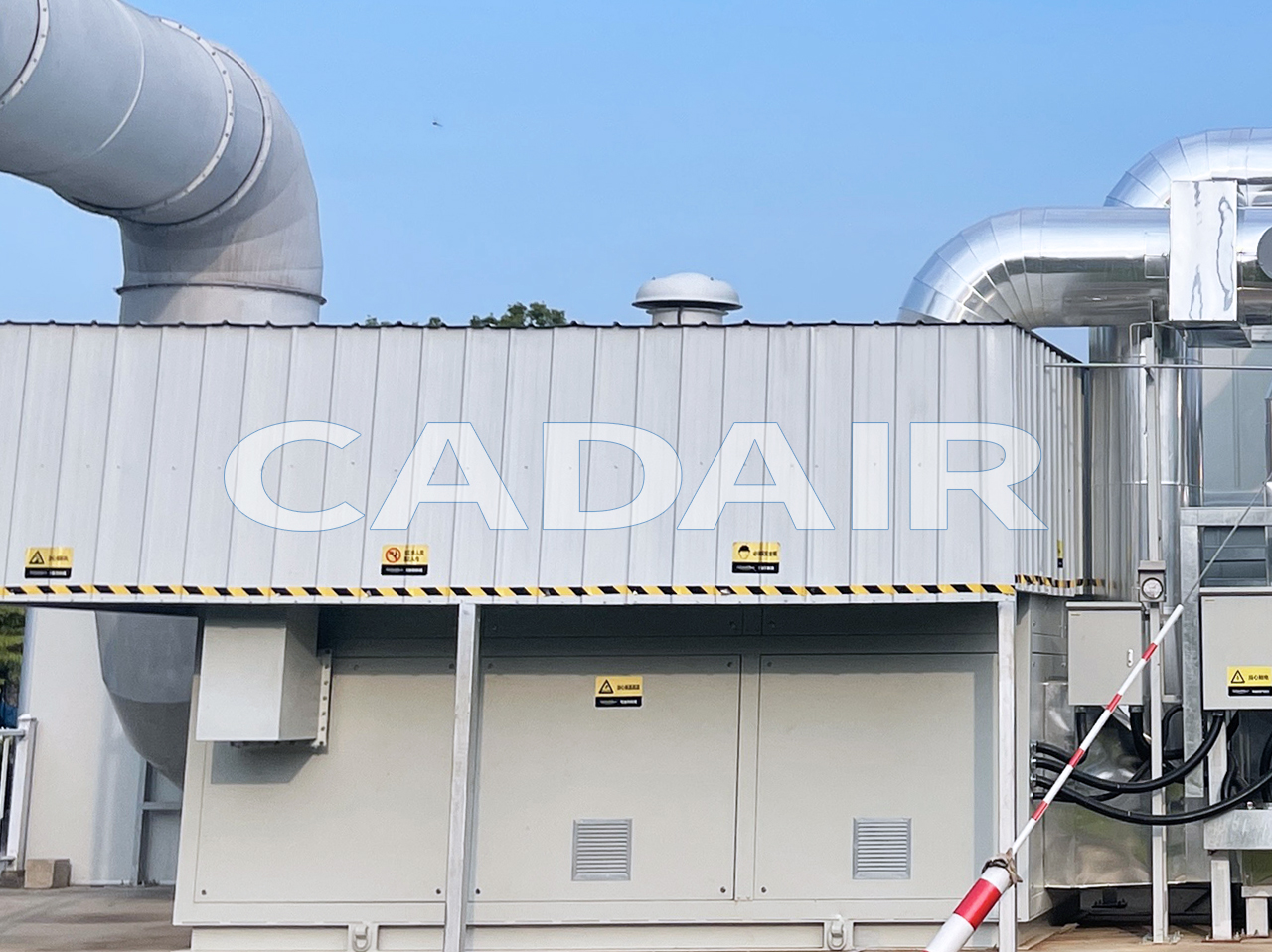
Zeolite Roles Within Thermal Oxidation Units
Regenerative combustion systems contribute significantly reducing VOCs. Zeolite compositions supply vital contributions via adsorption and catalyst functionality. Selective VOC capture boosts oxidative degradation efficiency. Additionally, zeolites catalyze faster VOC breakdown, reducing energy use and boosting system efficiency.
- Accordingly, application of zeolite elements advances contaminant extraction, power economy, and sustainability.
Contrasting Zeolitic versus Classic Catalytic Agents
Up-to-date catalyst improvements fostered comparative research of synthetically created zeolites evaluated against usual catalysts. These investigations analyze catalyst effectiveness, discrimination, temperature resistance, and expense. Ultimately assessing zeolite efficacy in completing VOC oxidation in RTOs. Such findings help develop better, eco-friendly air purification methods.
- Zeolites possessing extensive porosity and surface region hold catalytic advantages.
- Conventional catalytic agents mainly oxide-based show drawbacks in efficiency and specificity.
In addition, investigations examine thermal conditions, exposure duration, and input gas effects on zeolitic and traditional catalysts. That broad investigation advances RTO catalyst deployment optimizing volatile organic compound removal and efficient power usage.
Predictive Modeling in Regenerative Catalytic Oxidation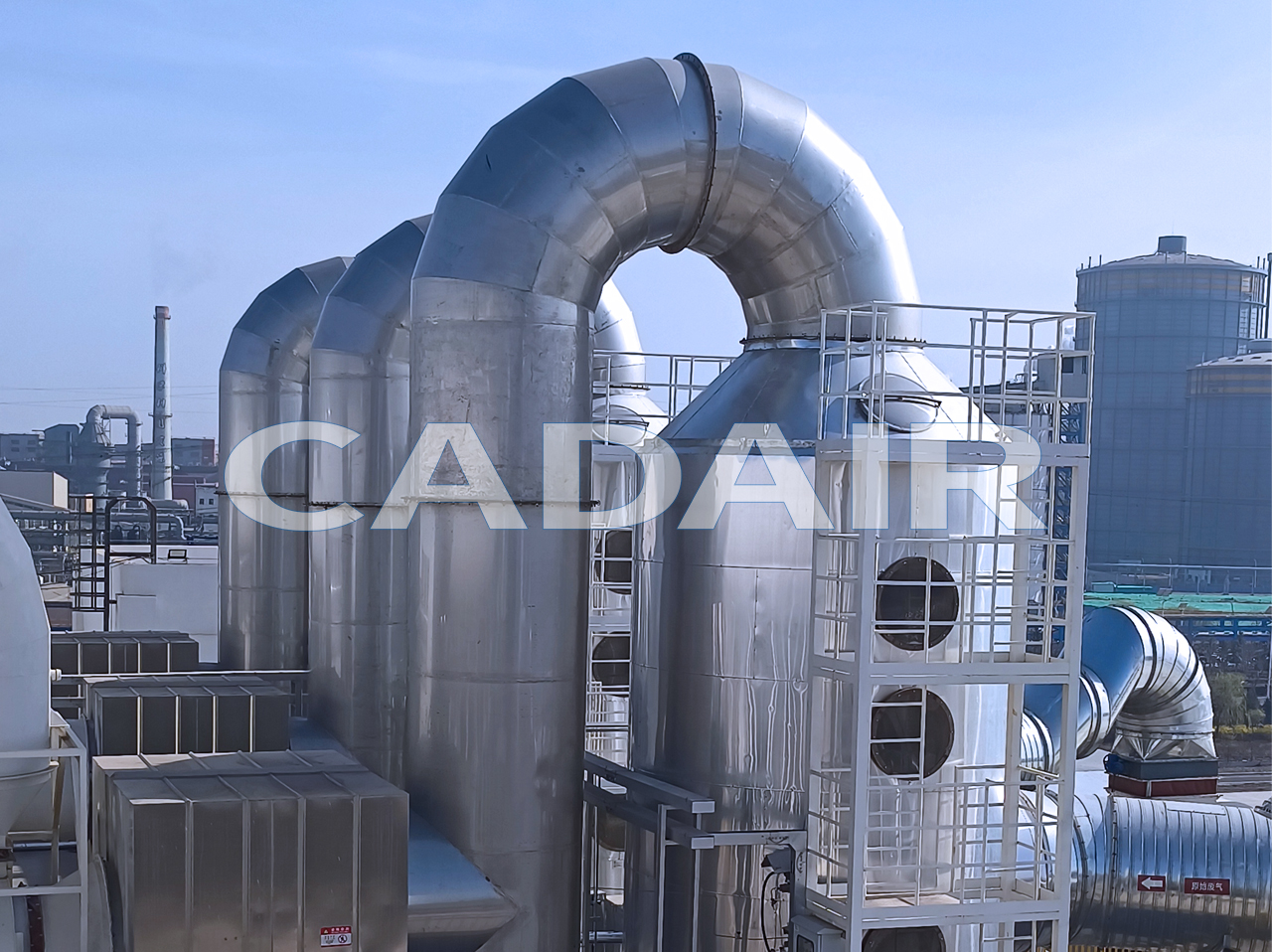
Refined catalytic breakdown systems manifest intricate configurations addressing toxin-laden gases. These systems instigate catalytic transformations breaking down hazardous materials liberating heat byproduct. This operational thermal incinerator complexity calls for dependable modeling approaches enabling improvement and design. Digital simulations facilitate estimating vital performance metrics amid diverse environment changes. Moreover, such studies reveal challenges and guide enhancement of more efficient regenerated catalytic oxidizer designs.Contrasting Thermal and Catalytic Oxidation: Choosing Best Approach
Opting for fitting oxidation techniques requires careful assessment. Heat-driven or catalyst-enabled oxidation show different assets and disadvantages. Thermal oxidation relies on elevated temperatures to drive chemical reactions. Catalytic oxidative systems foster reaction kinetics under softer heat. Option relies on effectiveness, price, and substrate nature.
- Hot oxidation usually results in better pollutant transformation but with high energy consumption
- Catalyst-based methods operate at lower heat cutting costs and pollutants
Deep process insight aids identifying best oxidation methods. Partnering with consultants yields better outcomes maximizing productivity alongside green goals.
Controlling Emissions via Zeolite Rotor Systems
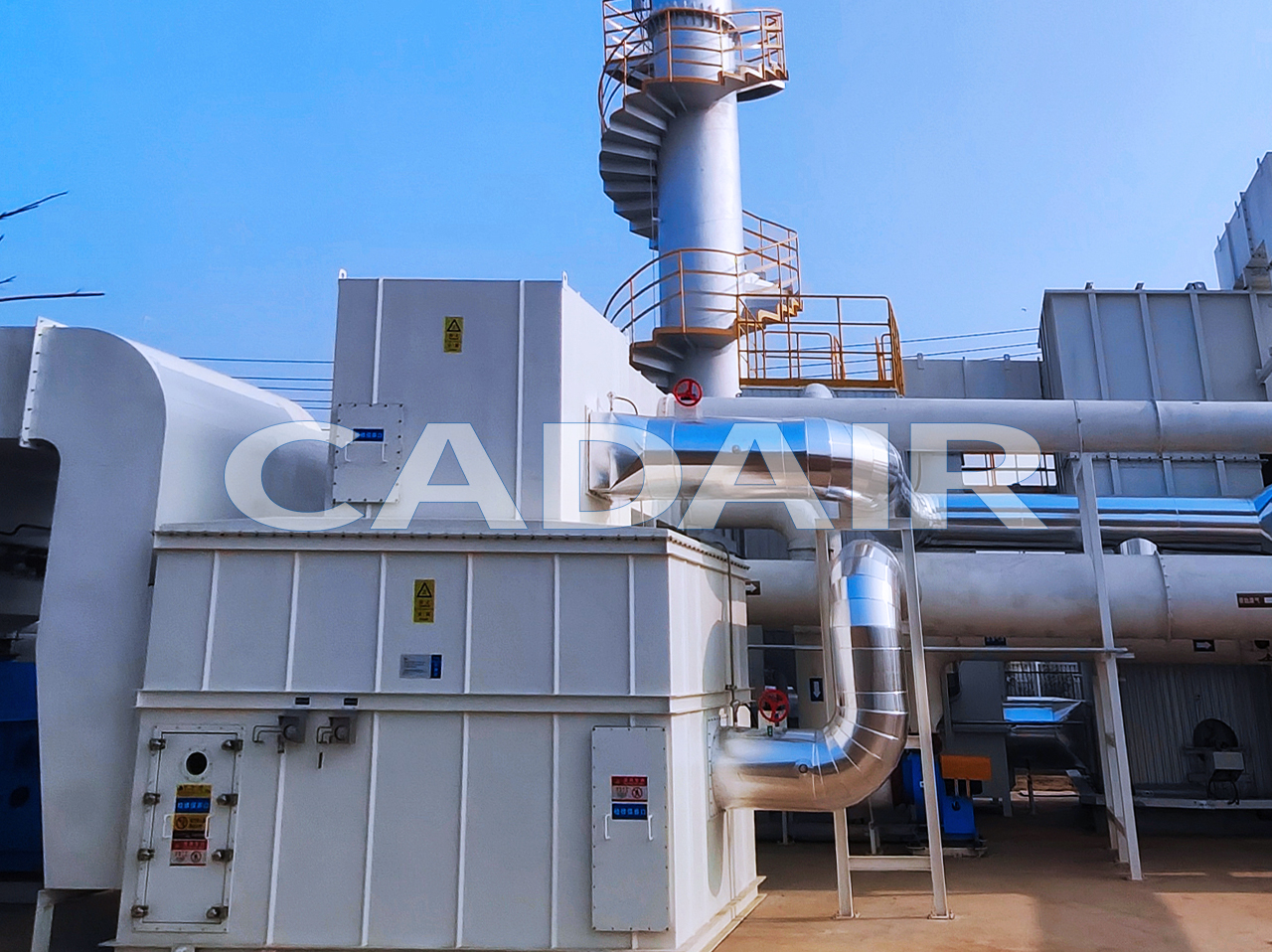
Zeolite rotary apparatuses demonstrate capacity for exhaust abatement across industrial and automotive markets. Made up of crystalline porous zeolites, such rotors capture harmful chemicals via contact, chemical, or electrostatic dynamics. Rotational operation delivers consistent and high-level emission suppression. Various zeolite forms adjust in targeting carbon monoxide, nitrogen oxides, and volatile chemicals, making this technology tailorable, elastic, and multipurpose for numerous contamination challenges.
- Additionally, zeolite rotor technology provides advantages unmatched by traditional emission control methods, including:
- Decreased electricity demand.
- Condensed format.
- Superior pollutant extraction.
Active innovation and study persist improving rotor-based zeolite applications, supporting eco-friendly progress in multiple fields.
Examples of Effective Regenerative Oxidizer Use
Among advancing oxidation technologies, regenerative oxidizers illustrate potent and efficacious applications. Their facility for processing gaseous wastes into resourceful products earns strong recognition.
- A distinguished case study presents regenerative oxidizer decreasing industrial toxins at a chemical site achieving significant exhaust abatement and demonstrating environmental benefit potential.
- Extra effective approach appears in energy industries adopting regenerative oxidizers for organic waste combustion enabling effective and clean transformation of organic residues into power offering environmentally friendly substitute for traditional fuels.
These reports reflect regenerative oxidizers’ broad use and powerful performance across fields. Unceasing improvements expect influential technological integration for this promising technology in upcoming years.
Transforming Air Management: Zeolites and Regenerative Innovations
Dealing with rising global toxic air exposures, creative interventions are demanded. Emerging methods focus on zeolite coupling with sustainable system designs. Celebrated for excellent adsorption and modifiable pores, zeolites extract pollutants efficiently. Coupled to eco-friendly systems, they empower constant pollutant capture and reuse trimming waste and boosting environmental protection. Such integration produces effective solutions confronting multifaceted pollution scenarios involving industrial outputs, vehicular exhausts, and indoor air. Complementarily, ceaseless scientific work fine-tunes zeolite composites and regenerative methods, catalyzing next-level and adjustable air cleansing units.
- Emerging Zeolite Architectures
- Eco-Friendly Process Improvement
- Expected Results in Atmospheric Cleansing